יום שני, ו׳ אב תשפ״וMonday, July 20, 2026



Follow Us


Read More
By Orat@Muqata
From the Islamic sources, it is clear that Eilat had a significant Jewish population, which existed for hundreds of years after the Muslim conquest.
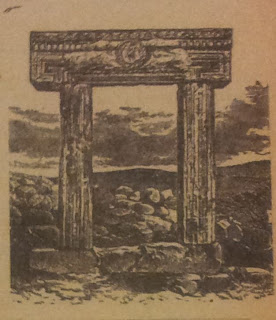
By Orat@Muqata
Two people have reported snow in the late May-early June, though in both cases, it was hearsay.
By Orat@Muqata
Jews of 14th century Jerusalem celebrated Purim on both the 14th and 15th of Adar.
By Orat@Muqata
Historically, the Christian residents of Bethlehem did not identify themselves as Arabs.
By Orat@Muqata
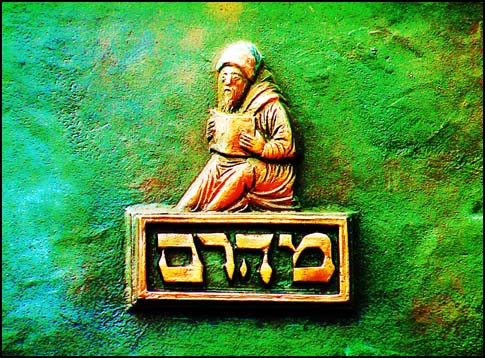
I had often wondered, if Jews love Israel so much, why didn't they just get up and come here. The Mahram's Aliyah attempt showed that Jews did.
By Orat@Muqata
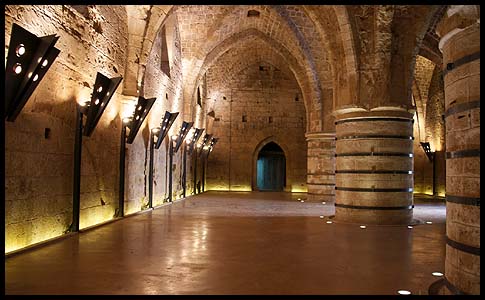
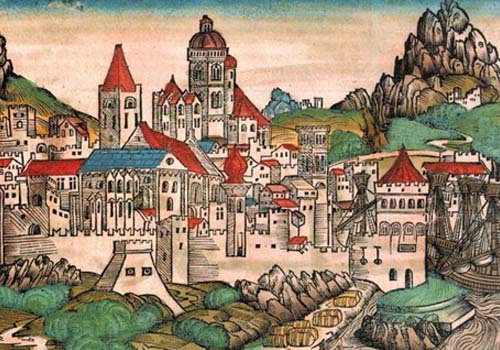
A year after the Crusaders captured Jerusalem, they turned to conquer Israel's coastal cities. Haifa's Jewish community is mentioned in the Genizah documents. The city was one of three forts (מבצר) that we know of - Haifa, Dan (Banias) and Rafah (Rafiah). Each had a major Jewish community. Haifa was probably mostly Jewish, if not exclusively so, with a small Muslim military presence. The story of Haifa's conquest, in the summer of 1100, is reported by Christian chroniclers.
By Orat@Muqata
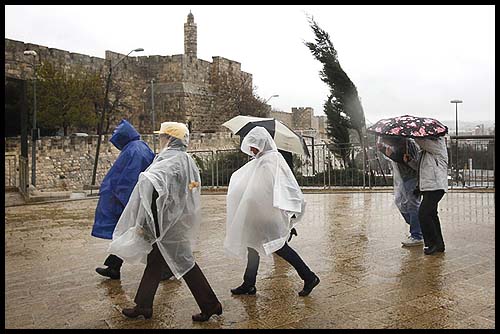
We're now entering the period when we begin to pray for rain. Lack of rain was often an excuse to persecute the Jews, specifically those living in Jerusalem. There are quite a few examples from our history of this rain libel, which was very often linked to the 'sin' of drinking wine.
By Orat@Muqata
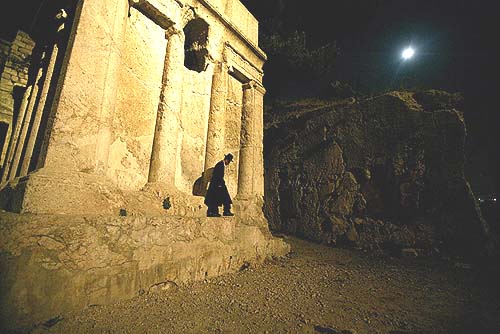
The main holiday events took place on the last day of Sukkot, Hoshana Raba. The Gaon would lead the people around the Temple Mount, and then the crowd made its way to the Mount of Olives. After they climbed the mountain, they circled it seven times. A monumental stone marked the spot where God looked over the Temple Mount. The Gaon would sit on this stone as he spoke to the assembled crowd.
By Orat@Muqata
Unetanneh Tokef is part of our Israeli heritage. It was written here in the Land of Israel, by Israeli poets, for Israelis.

By Orat@Muqata
The ancient synagogue in Meron is located on a hill above the grave of Rabbi Shimon Bar Yochai. Like other Galilean synagogues from the Byzantine era, its entrance faces south, towards Jerusalem. But what makes this synagogue special is a story from its later history.


 July 17, 2026