יום שבת, י״ט תמוז תשפ״וSaturday, July 4, 2026



Follow Us


Rabbi Moshe Taragin teaches at Yeshivat Har Etzion/Gush. He has semicha and a BA in computer science from Yeshiva University, as well as a masters degree in English literature from the City University of New York.
Read More

The aloneness we experience today as a consequence of the wars being fought in Israel, and by those who defend and support Israel abroad, is built into Jewish history.

Opposition to conscription on those grounds is understandable and coherent. But the call for broader charedi participation is not rooted in a sinister desire to weaken Torah study or undermine religious commitment.
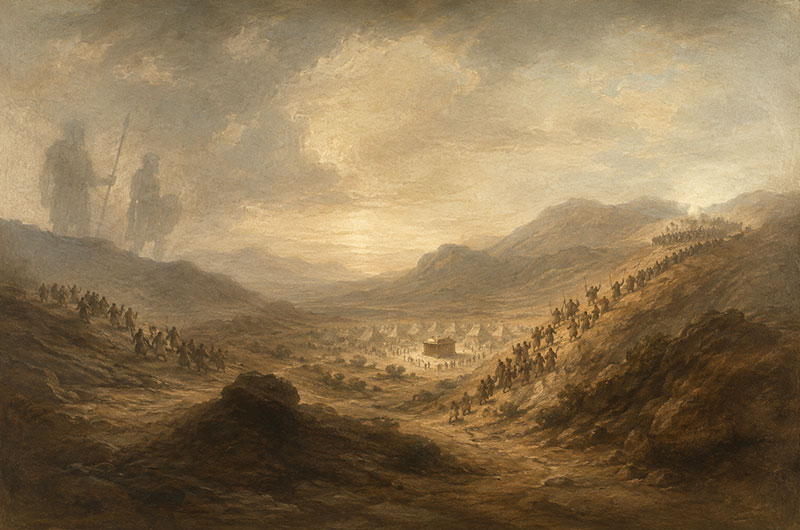
They were determined to reverse the tragedy. The land they had rejected only a day earlier now stood once again at the center of their hopes. Convinced that they could still set things right, they prepared to march forward.

We are all living through a period of profound uncertainty, both globally and within the Jewish world. On a global level, it often feels as if we are living in the calm before a storm.

Does Hashem desire that we sever ourselves entirely from the physical world, surviving on as little pleasure and comfort as possible? According to the Rambam, the answer is no. The Torah demands calibration rather than withdrawal.

Religious perfection requires transcendence, an encounter with the Ribbono Shel Olam, a presence that does not conform to human categories.

Creativity is natural to the human condition. When we create, we reflect our Creator. That impulse is not marginal; it rises from a deep place within the human spirit.

Scattered among the peoples of this earth, we spent two thousand years wrestling with history. Stripped of almost every public expression of Jewish life, we clung to the word and will of Hashem and proved more resilient than history and more faithful than our enemies presumed.

Avodas Hashem is shaped not only by obligation, but also by how we understand the human being, by the moral awareness embedded within us and by the way we see the world and our place within it.
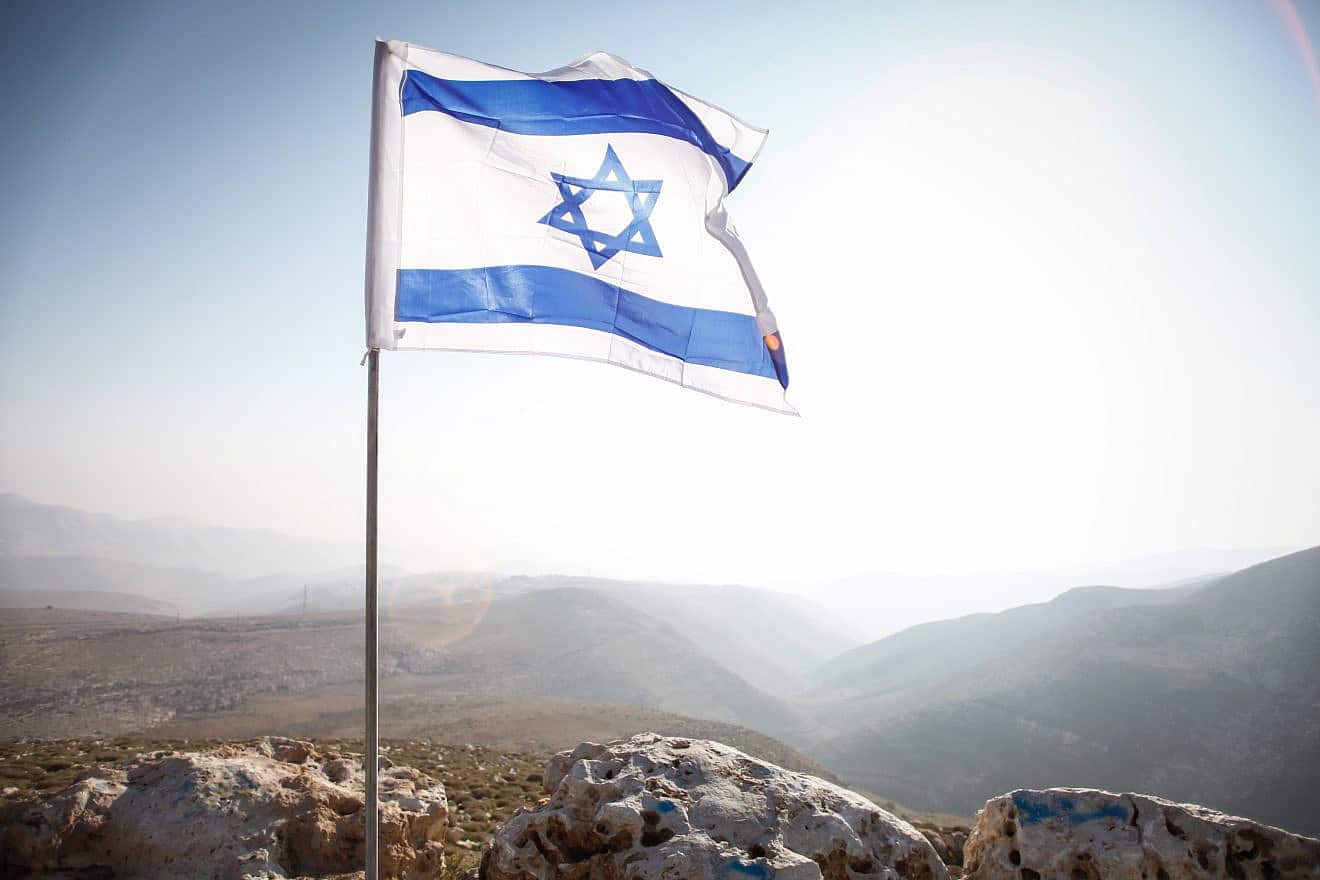
We have just emerged from our shelters, literally and figuratively, after six weeks of war. The air is heavy with mixed emotions shaping how we approach this moment. There is relief, but also grief. Pride, but also fatigue. Nothing feels simple or settled.
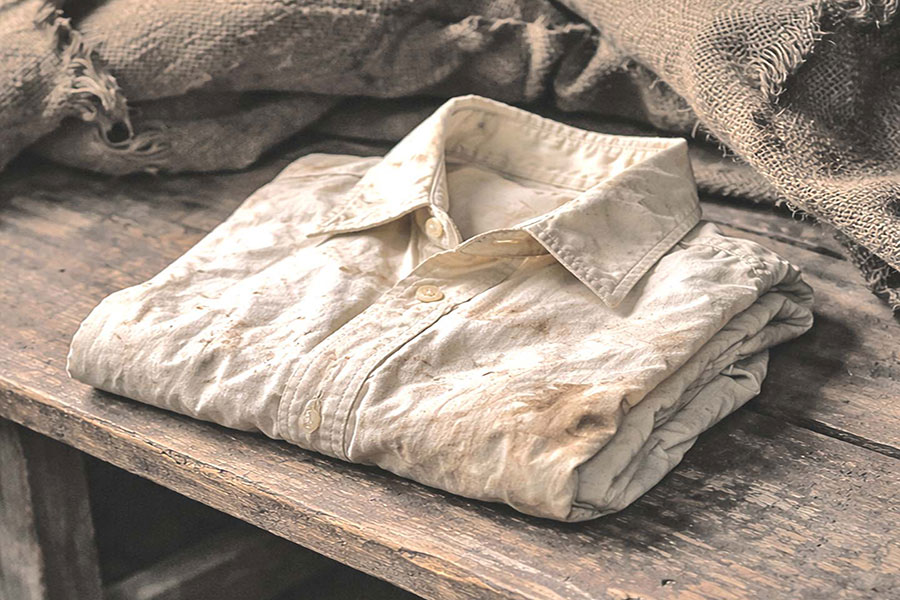
That story about the crumpled white shirt deeply changed my life. So often, when I felt confined by circumstances and life’s difficult conditions, I returned to that white shirt and challenged myself to rise above my frustration.

The past month has carried a similar urgency. We feel history lurching forward. Wars are unfolding in compressed timeframes, and the landscape shifts almost daily. Once again, events outpace us, and we are being hurried along.

As we recite the fifteen stanzas of Dayeinu, tracing the miracles of Yetziat Mitzrayim, we might also think of the Dayeinu we would offer for the past two and a half years. Without softening the pain or ignoring the strain, we can still give thanks for Hashem's care and protection.

Every Jew, regardless of ideology or level of religious observance, is part of this collective project. Continuing to rely on abstract terms such as Knesset Yisrael or Klal Yisrael can lift Jewish peoplehood out of lived reality and recast it in theoretical terms.

The deeper reality is that Israelis tend to experience their identity primarily as members of a nation rather than as members of distinct local congregations.

Aharon assumed their desire for wealth would quiet their fears. He discovered instead that fear does not yield so easily. When people feel unmoored and uncertain, fear overrides calculation. In that moment, the people did not have the emotional strength to wait.
Because letter-based communication became so central to imperial rule, letter writing emerged as a prestigious craft. Composers of royal correspondence were trained in language, form, and official convention so that the king’s will would be expressed with clarity.

Human nature is fragile, and our avodat Hashem can falter. Living a commanded life does not mean that we always succeed. It means that we accept all of Hashem’s mitzvot, without selectively embracing those we prefer and discarding those we resist.

The Torah deliberately places civil law alongside the drama of revelation. At the very moment when heaven meets earth – amid thunder, lightning, and awe – the Torah turns our attention toward human responsibility: how society is ordered, how power is restrained, and how justice is preserved.

Would it not have been more striking to open the section of Yitro with the thunder and fire of revelation itself? More iconic, more symbolic, to move directly into the moment when Hashem speaks?
When the Gemara in Kiddushin reflects on the value of honoring parents, it presents it not as a narrow religious demand but as a foundational moral duty. Kibbud av va’eim cultivates gratitude, disciplines the ego, and lays the groundwork for a value-driven society, built in layers and carried across generations. To underscore its universal […]
When slavery began, we were cast as a threat to society. Pharaoh could only sell his genocidal policy to the broader public of Mitzrayim by turning us into a symbol of danger.
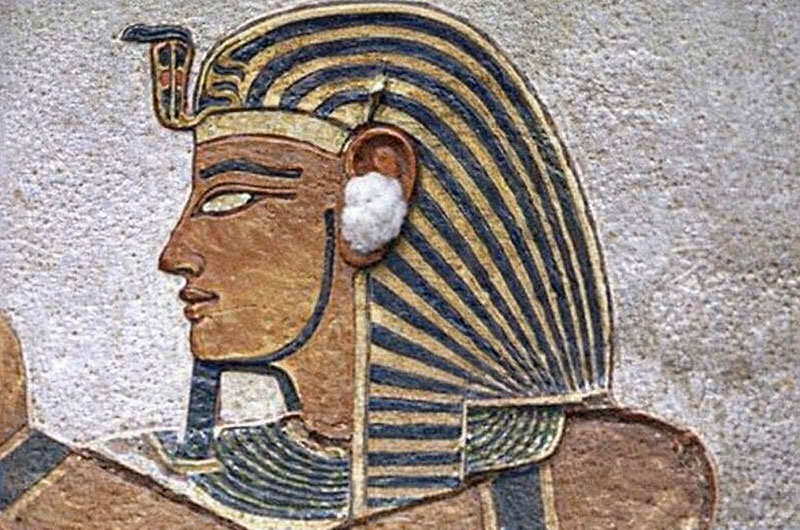
The danger of not listening is not limited to kings, tyrants, or political leaders intoxicated by success. It confronts all of us.

The image of a bush aflame yet not consumed also conveys separation. Hashem is not part of the physical system He created. The laws that govern nature – energy, decay, and limitation – do not bind Him. He transcends the world even as He governs it.

For generations, this posture helped shape a steady religious orientation: we focus on the religious obligations of the here and now – Torah, mitzvot, and moral improvement – while the timing of Mashiach and the ultimate reading of history are left to Hakadosh Baruch Hu – Ha-shamayim shamayim la-Hashem, ve-ha’aretz natan li-vnei adam.
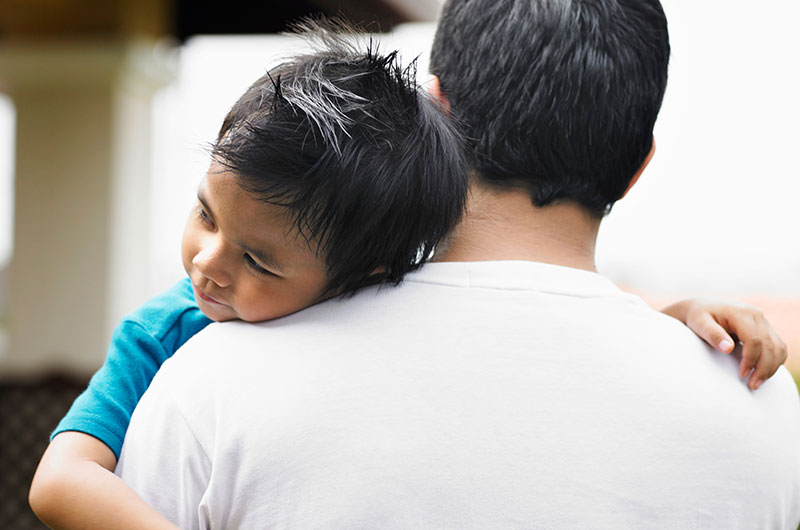
Religion often asks us to transcend surroundings and stand before Hashem in solitary submission.
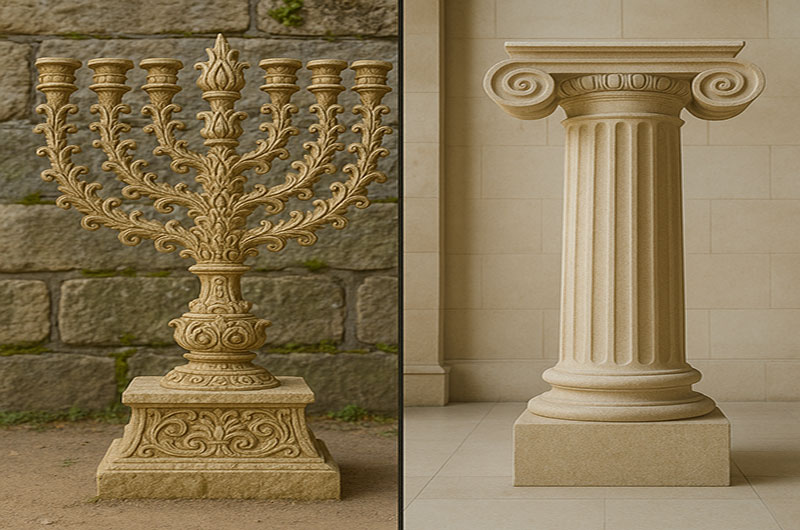
The Chanukah battles were no different. What unfolded in those years in Yerushalayim, and the miracles we witnessed there, sent ripples far beyond the boundaries of our people.

People move people; ideas alone rarely do. When we face difficult tests, we draw strength not from abstractions but from the flesh-and-blood figures who shaped us.

In a world of polarization, we are losing our grasp of nuance. We voice our opinions with absolute certainty, convinced of our own correctness while condemning, with equal certainty, the positions of political or ideological opponents. We leave little room for subtlety, little patience for complexity. We

Welcomed into Lavan’s household, he worked seven disciplined years in order to marry Rachel. The Torah describes these years as passing quickly because of his deep affection for her.

As the military phase recedes, the struggle shifts to the diplomatic front and to the charged arena of public opinion. Here, too, our resolve is tested, as our principled defense of land and people is distorted and condemned.
The Akeidah was the moment when Hashem declared the sanctity of human life. It affirmed that every person is His masterpiece – fashioned in His image and charged with elevating both self and society.

Avraham launched a religious revolution that still echoes through history. He introduced monotheism, shaping the religious imagination for millennia. Countless descendants, both genetic and spiritual, owe their beliefs and way of life to this movement.
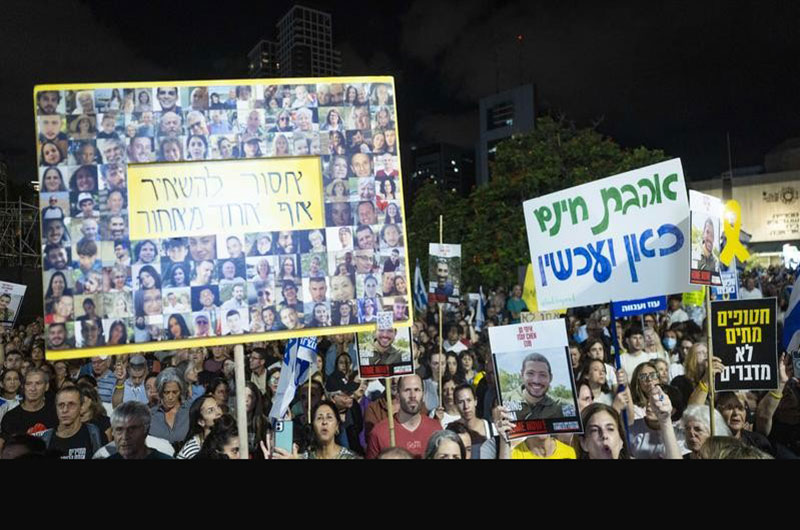
Hashem does not perform miracles without intention. While it may be difficult to determine specific expectations, future responsibilities can often be articulated in personal terms.
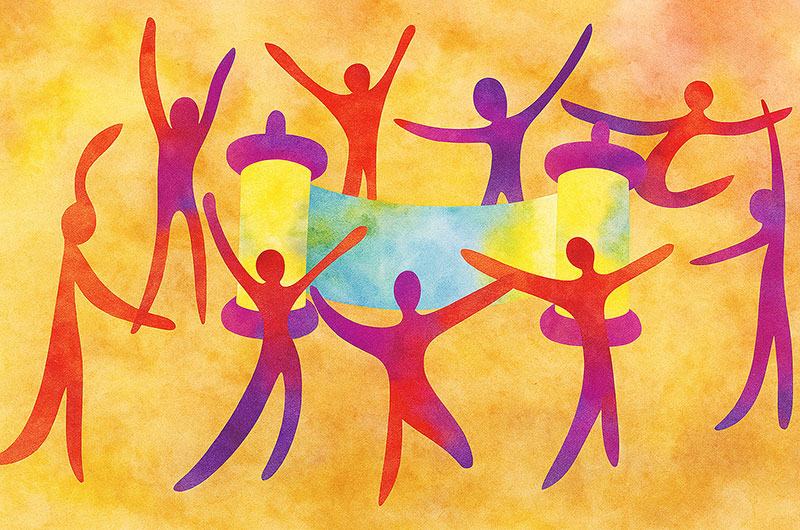
Throughout history, Torah has at times stood as a Divine, untouchable document, and at other times woven into the currents of Jewish experience, carried and shaped by the people of Israel. Its dual nature – both Divine and national – has been reflected in every generation’s approach to learning, observance, and communal life.

The sukkah is a reminder of Hashem’s constant care in our everyday lives. Commemorating a concept rather than a specific event reflects a more complex reality.

Teshuvah is a dark and harrowing descent into the self, a journey through the hidden recesses of personality. It demands that we confront our failures and flaws without disguise.

The attack of October 7 and the unleashing of antisemitism have had a paradoxical effect: while they brought violence and tragedy, they also drew many hearts closer to Hashem, to religion, and to tradition.

Hashem is merciful – are we showing mercy? He doesn’t repay evil with evil – do we hold back and try to give kindness even when it isn’t deserved? He is slow to anger – are we working on patience? He is truthful – do we live with honesty? The list isn’t only about Him; it is a mirror held up to us.

Equally important is resisting the urge to retaliate. A sharp remark often provokes an even sharper response, and the tone can quickly descend into bitterness.

Elul is a deep dive into ourselves, into the hidden recesses of who we are. Without this introspection, we cannot grow into better people. Even as the national situation rightly demands our attention, we must not forget this personal journey into the inner worlds that shape us.

Our people now embark on a project greater than the Great Wall of China – not forged from stone and mortar, but carved deep into the fabric of history.
Recollection is a deeply human act. It asks us to step beyond the immediacy of the present and re-enter the chambers of earlier experience.
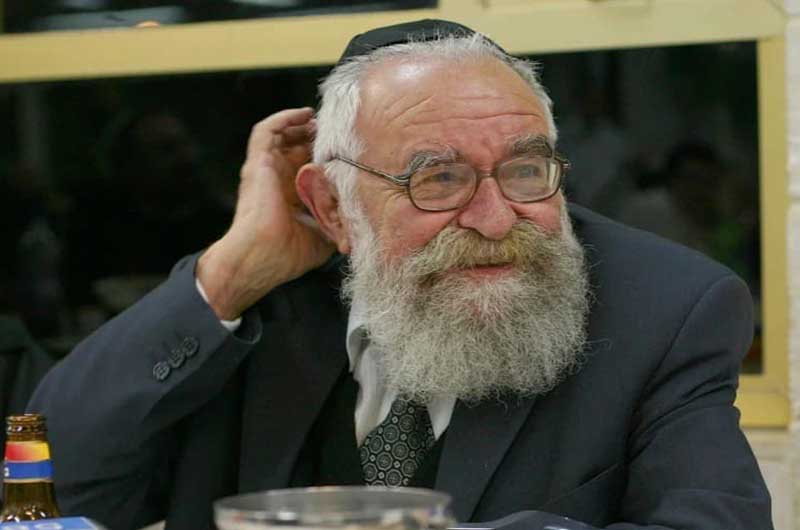
Rav Amital brought the words of Tanach and prophecy to life. He used prophecy as a lens to interpret our unfolding reality, breathing relevance into its eternal words.
We must not be discouraged or lose heart in the face of the long arc of life in Israel.
Every Jew should view themselves as a messianist.
In place of conventional warfare, terrorist organizations have emerged that have taken terrorist activities to a new level.

This past week feels like more than just a miracle. It feels like a breakthrough moment in Jewish history. It seems as if Hashem hasn’t merely intervened but is actively relandscaping history and redrawing geopolitical realities.
We rely upon emunah to carry us forward, to walk us across the bridge of fear and uncertainty.
We often fall into unhealthy religious judgmentalism. We don’t possess a reliable thermometer to measure others’ religious sincerity or depth. Yet we often speak loosely, labeling others as less frum or branding entire communities as less religious.

The struggle to settle our sacred homeland continues. Nearly 80 years after the founding of Medinat Yisrael, and despite our yearning to live in peace with our neighbors, many still deny our rightful presence in this land. The Simchat Torah war of the past year and a half is not a new chapter, but […]
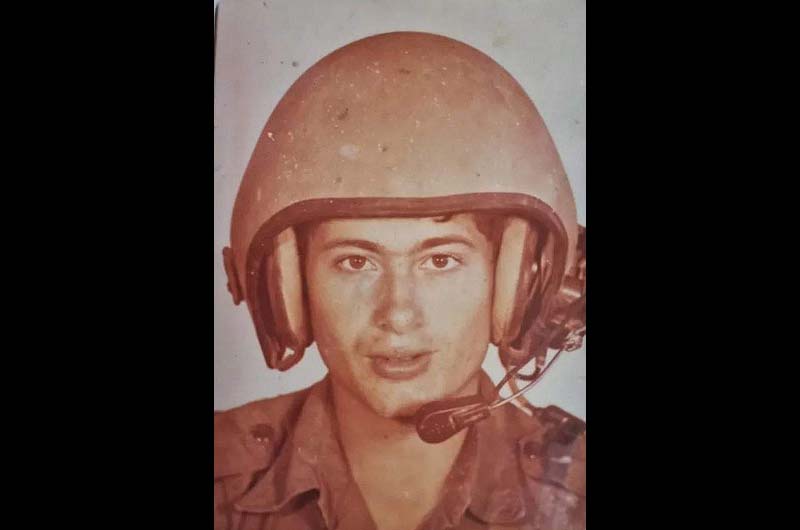
Amidst all the noise and emotion, a different kind of return unfolded – quieter, more subdued, and 43 years in the making. The body of Tzvi Feldman, a missing soldier captured during a brutal battle in Syria in 1983, was finally brought home to Israel for burial.

This year’s fires did more than disrupt celebrations and ceremonies – they scorched the core symbols of our national renewal. It felt as though they reversed the arc of our historical return.
Antisemitism isn’t a historical accident – it’s woven into the fabric of the human story. Though it often cloaks itself in cultural, economic, or ethnic explanations, its roots run deeper.
It is not enough for a person to act with integrity; they must also ensure that their actions are above suspicion, that their intentions are transparent, and that their purity of conduct is unmistakable.
We have seen this before. In every generation, there are those who rise against us, determined to erase us from existence. The faces change, the slogans shift, but the relentless hatred remains the same.

Our battles aren’t just for our national survival. Our enemies pose moral challenges to humanity, and our struggle is to protect the moral fiber of humanity. This was true in Persia, and it is true today.

Some human beings will always use that freedom for nefarious ends. No miracle, no revelation, not even the most undeniable display of divine power, will erase evil from this world. It remains our mission to fight it, both for our own survival and for the moral future of humanity.

A society is only as stable and moral as its commitment to protecting its most vulnerable members. Therefore, the laws in Mishpatim repeatedly return to the treatment of slaves.

It is deeply tragic to witness the destructive effects of hatred among our enemies.
The families of our hostages are preparing for two very different outcomes. Some will undoubtedly celebrate in triumph when living hostages are released while others will mourn in anguish upon receiving the worst of news. No outsider can possibly imagine the complex emotions these families will carry and how they are intertwined in a way beyond words.
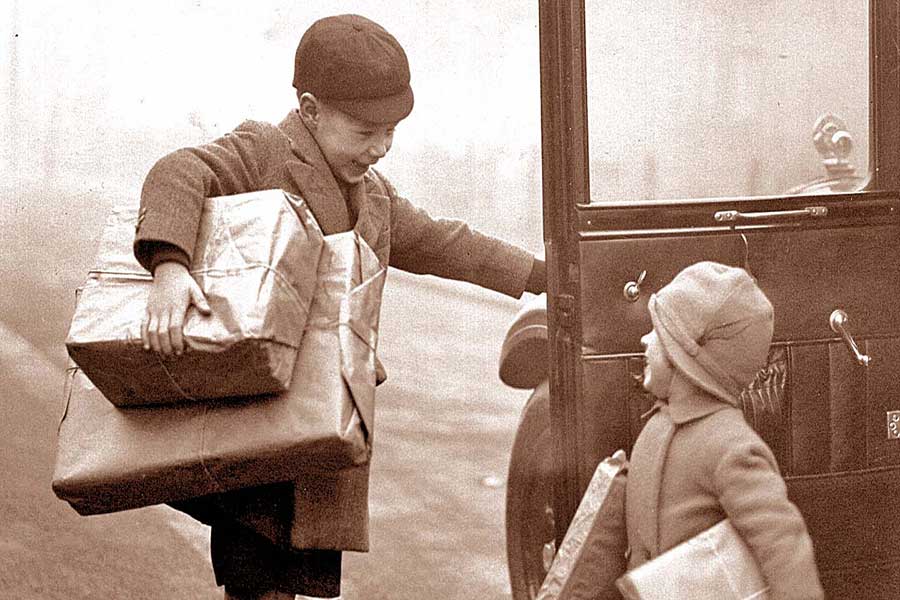
The most accurate and literal translation of Derech Eretz is the ways of the world. Every society establishes its own codes of conduct to ensure more polite and civilized interactions. These codes of politeness are highly context-specific and differ from period to period and from location to location.

The mitzvah to honor parents solidifies the structure of the family. By honoring those who have sacrificed to build and nurture the family, we reinforce the values that underpin family life.

People of deep conviction and burning passion are often swept away by the force of their ideals. Drawn to lofty principles and grand visions, they can lose sight of the day-to-day emotions of those around them.
After our son's injury my life has suddenly been enveloped in a fog of doubt and uncertainty – on every front... My entire life has been put on hold – all my plans suspended as I try to be the best parent that I can possibly be.
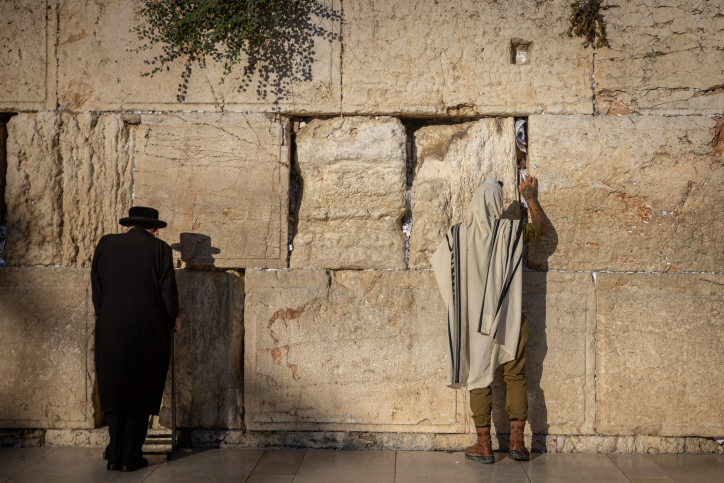
I am deeply thankful for our army as a remarkable unifier of our people. It forges immediate bonds and unites our entire nation into one family.
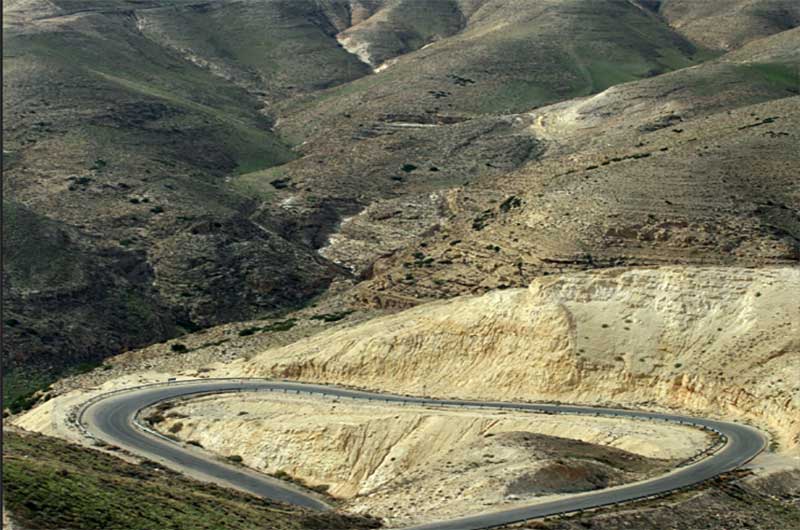
How can I not thank Hashem deeply for protecting my beautiful Noam from this deadly attack?

Over the past year, the bow and arrow have become inverted gain, evolving into a shield of protection. We have felt the presence of a protective dome suspended above us, sheltering our skies and instilling a sense of security and hope.

So, this year we sit in our Sukkot with mixed emotions, recalling the glory days of the desert but also the dark days of the past year. As we sit within our fragile Sukkot, sympathize with the anguish felt by so many Israelis whose homes – once places of safety – proved incapable of protecting them.

Irrational and disproportionate hatred of Jews is nothing new. It is humanity’s oldest hatred... though ancient, antisemitism evolves with each generation, latching onto the shifting cultural narratives of the times.
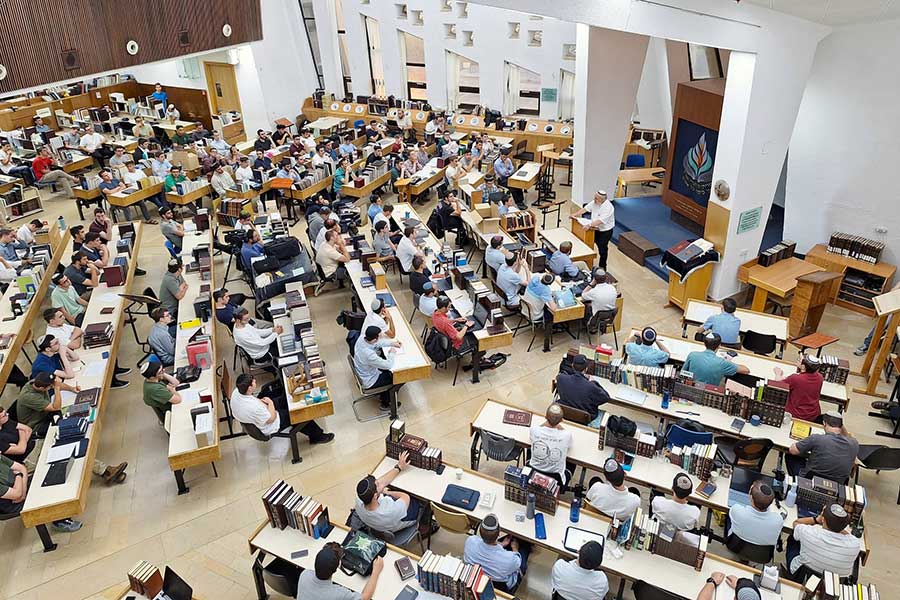
As I walked somberly through the bustling beit midrash, tears welled up as I passed the seats once occupied by those who have fallen in battle.

Our ethical code is deeply woven into our identity as the people of G-d and is central to our Jewish mission. The fierce accusations of immorality leveled against us only underscore our historical mission of calling humanity to higher moral ground.

It wasn’t only the illusions of Jews in Israel that were shattered on Oct. 7. Many Jews around the world had built their Jewish identity on the mission of creating a more just and perfect society – the program of tikkun olam.
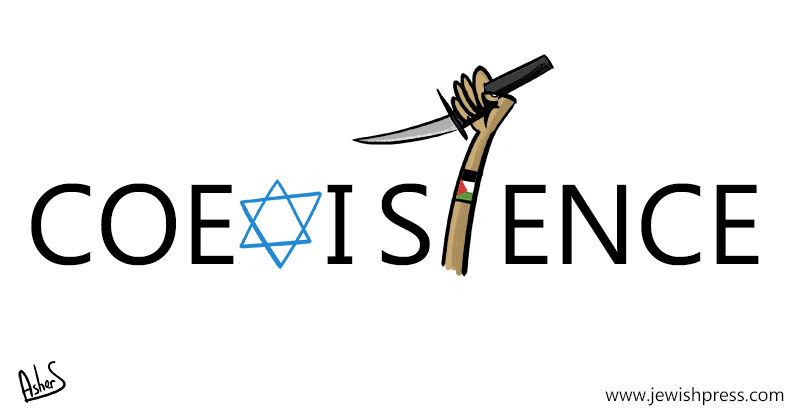
Radical Islam vandalizes the image of G-d, creates a cult of death and tramples the notion of divine image.
After October 7 everything changed, and suddenly Tisha B’Av feels more real and more relevant than ever. Darkness has once again cast its shadow over Jewish history.
The modern world has profoundly disrupted the meaning of language. The philosophy of post-structuralism asserts that meaning is not fixed but fluid and unstable.
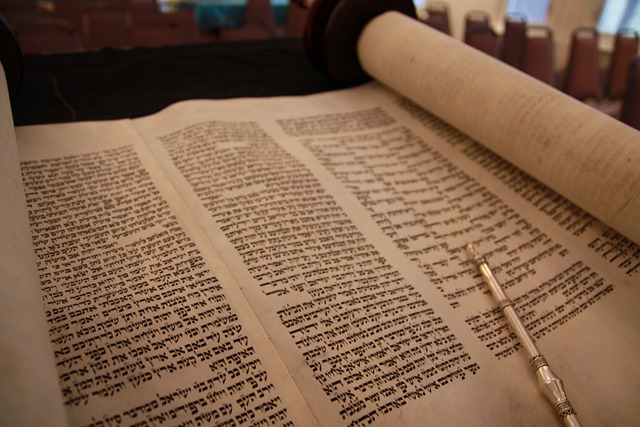
For numerous reasons our mesorah intentionally avoids excessive scrutiny of Yemot HaMashiach (Messianic matters). Too much focus on the future can lead to runaway messianic fervor, raising unrealistic expectations which, when unfulfilled, can be dispiriting.

It is not incidental that the ultimate halachic mystery of parah adumah addresses death and the tumah caused by contact with dead people. Death is the ultimate mystery.
Prolonged cultural dizziness doesn’t often end well. WWI completely washed away the existing world order, obliterating empires and redrawing the maps of Europe.
Our ancestors, who suffered far worse hardships, would gladly trade places with us. It is specifically during dark and depressing periods that historical perspective is crucial.
Since kabbalah is centered upon the unification of the entire cosmos, it is holistic and integrated. Events and aspects of our own reality which seem unrelated are jointly impacted by upper worlds and are therefore related.
This warped cultural narrative creates the ludicrous scene of gay people supporting Hamas murderers, even though Hamas terrorists would gladly toss them off a roof and drag their bodies through the street. But to people blinded by intersectionality, facts don’t matter.
This year we savor Jewish sovereignty more deeply than in the past, when we may have taken it for granted.
In addition to the merits of our monotheistic legacy, modern-day Jews possess an additional merit which includes them in redemption.

Our soldiers discovered Hamas paraphernalia and munitions in almost every civilian home. Yet, there are many totally innocent people who have been caught in the crossfire of this just and moral war. Such is the horrid legacy of terror. It kills indiscriminately.
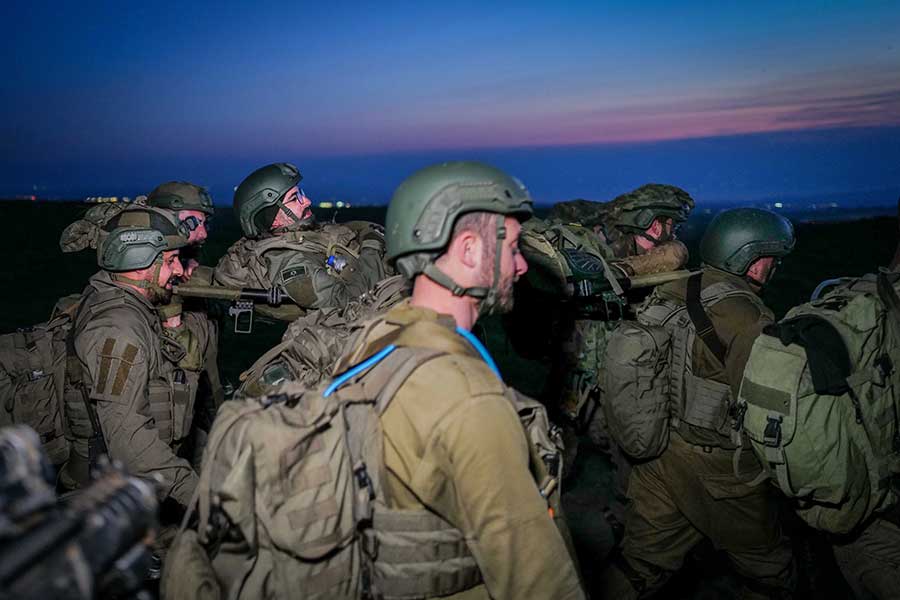
For a culture which discourages ostentation and flashiness, the attire of the kohen gadol seems aberrant. His glittering clothing clashes with our overall inclination to dress quietly and discreetly.

Our common struggle for survival dwarfed every petty difference which, in the past, divided us.

I am grateful to have the privilege of watching my talmidim morph from thoughtful and sensitive Torah students into courageous and brave soldiers. Sadly, there is a steep price to pay for this historical privilege.

We should pay more respect to those who display moral courage and clear-headed moral principles.
Taking ideas and success for granted, the third generation often descends into petty rivalries and personal animosities.
Whether we take greater human initiative or completely rely upon miracles, we always trace success back to Hashem.
There is one difference, though, between 1905 and 2023. We have our land and we have our army, and despite whatever shortcomings were exposed, our army, with Hashem’s help will punish the murders and continue to protect us.

The Yom Kippur War demonstrated that even when disadvantaged by a surprise attack, we could not be dislodged from Israel.
Every sin is rooted in a deep-seated character flaw. Ignoring these flaws and focusing our teshuva solely upon actions or behavior increases the likelihood of recidivism.
We are currently standing at an important threshold of human innovation and technology. We are not just developing the ability to build taller homes, but are beginning to re-engineer nature herself.
Whereas, in past generations kashrut adherence was a bold sacrifice which defined Jewish identity, keeping kosher in the modern world is more seamless and therefore less identity-shaping.
Mystery is based on concealment and discovery. If everything is immediately known and every object or idea is transparent, there can be no mystery, no pursuit, and no marvel.
Not only do we inhabit a changed world, but we also live with stark cultural dissonances.
Fortunately, Capitalism has dramatically improved our standard of living and has all but eliminated hunger and poverty as a source of death. We so deeply revere it that we seldom question its impact upon other facets of the human imagination.
Rejecting Moshe's sincere attempts at reconciliation, Korach's partners, Datan and Aviram, evaded any serious conversation, choosing, instead, to accuse Moshe of self-interest and antagonism.


 July 3, 2026