יום שבת, י״ט תמוז תשפ״וSaturday, July 4, 2026



Follow Us


Rabbi Yaakov Hoffman leads Washington Heights Congregation (“The Bridge Shul”) and is a rabbinic coordinator at OU Kosher and associate editor of OU Press. He has semicha Yoreh Yoreh and Yadin Yadin from RIETS and is a practicing sofer. He can be reached at rabbi@bridgeshul.com.
Read More
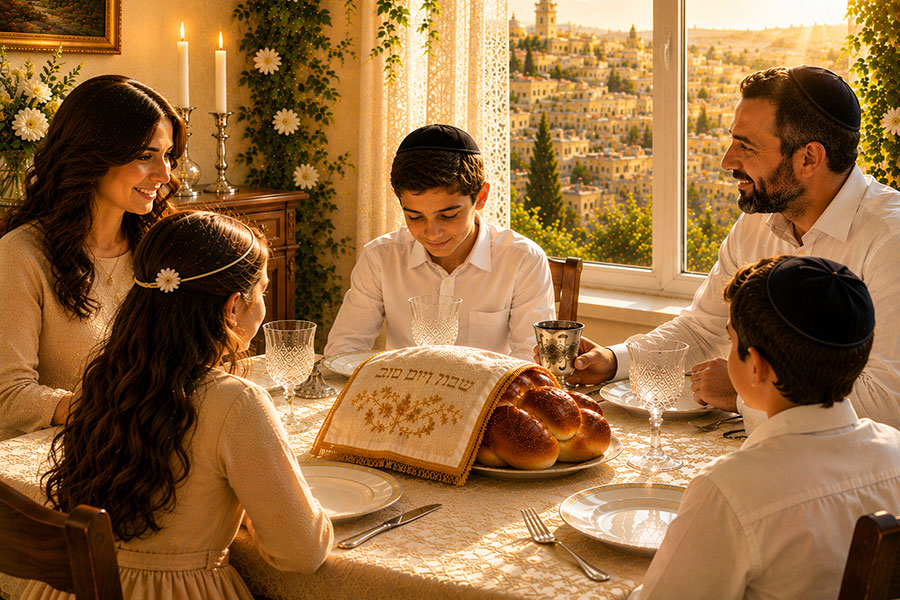
It is surprising, then, that this practice is so entrenched, especially since it has no basis in Chazal or the Rishonim. … In the late 16th century, however, two Eastern European authorities record a tradition not to recite Kiddush on the first night of Shavuot until nightfall.
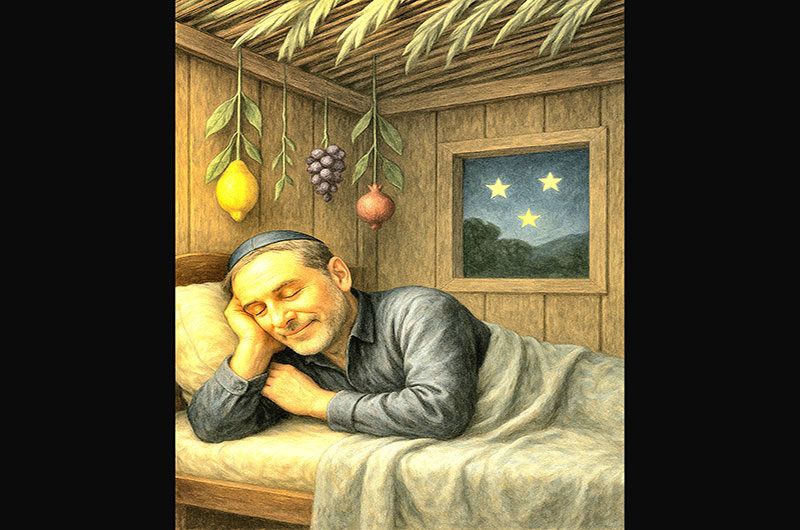
The Rema, however, is unconvinced by weather-based excuses (Darkei Moshe, O.C. 639:3). He maintains that it is generally not sufficiently cold even in Europe to constitute a blanket exemption (pun intended) from sleeping in the sukkah.
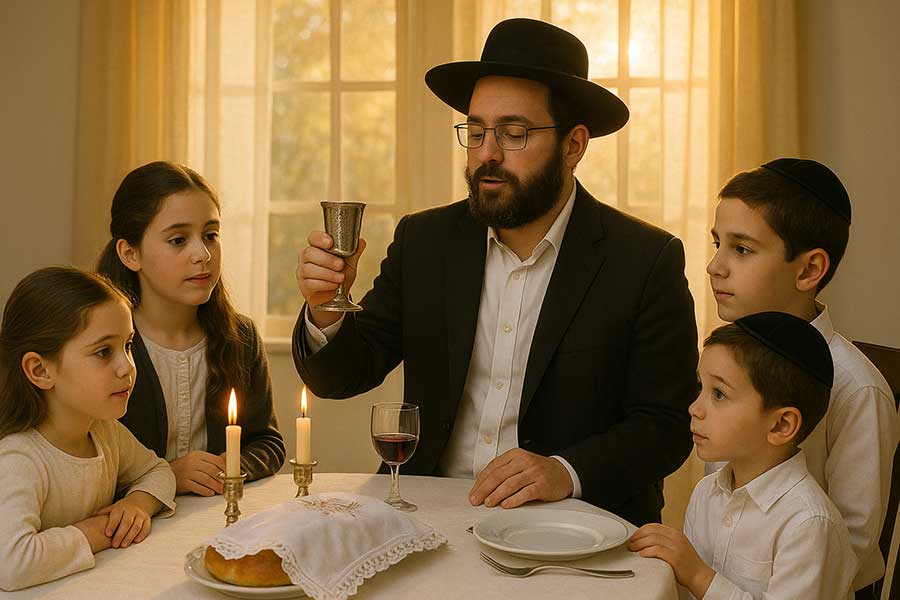
Since the case of early second night Yom Tov involves infringing on a holier day for the sake of a less holy one, it seems more analogous to davening Motzaei Shabbat Maariv and reciting havdalah after plag on Shabbat afternoon.
We should also recognize that mechirat chametz as it is performed today was originally intended for sh’at hadchak – it was an emergency measure necessitated by Jews owning large quantities of chametz, which was a particular problem once Jews had entered the liquor business.
The Aruch HaShulchan’s suggestion is extremely difficult, since roasting garlic does not require any particular expertise. Furthermore, there is no indication whatsoever in the words of Chazal that raw garlic is fundamentally unacceptable for takkanat Ezra.
To trigger a requirement for all Jews to fast, it would have to be that the Jewish people as a whole were experiencing shmad, which certainly did not exists in the Ramban’s day.
Rav Hershel Schachter suggests that nowadays, Yom Tov candles actually should not be lit at all on the second night of Yom Tov (or on Motzei Shabbat) since their light is not really needed.
Rabbeinu Tam has an ingenious solution for how to have Seudah Shlishit on Erev Pesach: eat matzah ashirah [egg matzah].
The Shulchan Aruch does not even mention the opinion of the Rif and Rambam and states explicitly that the requirement of guarding applies only to the matzah used for the Seder.
In Mishnaic times, the Megillah was read as early as the 11th of Adar in some towns.
The practice of the Vilna Gaon was not to have the challah on the table at all during Kiddush (Masseh Rav 118). Why don't all Jews act similarly?
Tosafot indicates that one can fulfull the precept of shalosh seudot by eating all three meals on Shabbat day.
I have heard eyewitness reports of individuals mistakenly performing melachah immediately after the conclusion of an early Maariv - exactly the scenario about which the Maharshal was concerned.
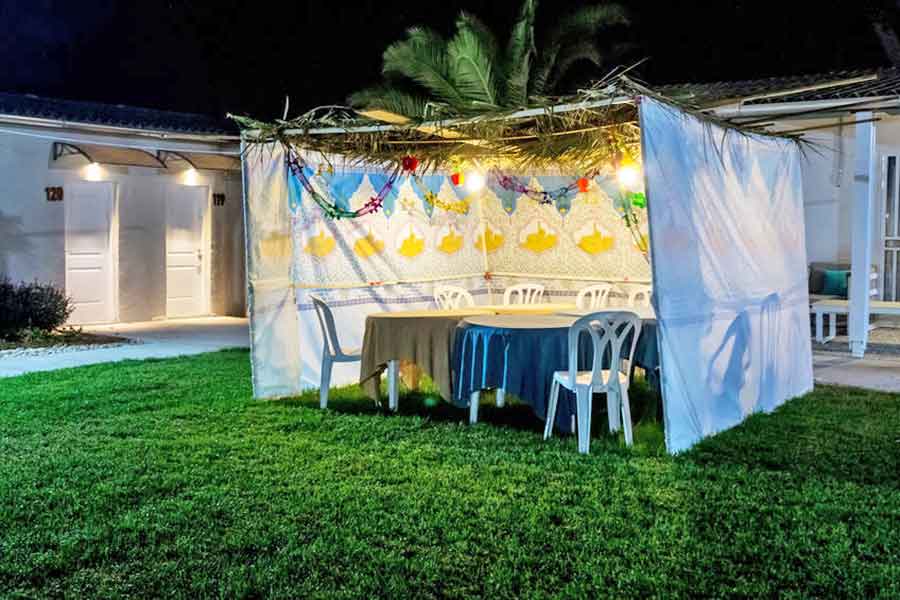
It seems unlikely that even the stringent opinion requires that sukkah walls be completely motionless when a wind blows.
The Maharil explains that the custom of Tashlich – like many other Rosh Hashanah minhagim – is intended to evoke G-d’s mercy by recalling Akeidat Yitzchak.
The practice to wait until tzeit ha'kochavim has no basis in Chazal or Rishonim.
Saying a shorter version of Kabbalat Shabbat would hardly be unprecedented or a scandalous reform.
The amount of time machine matzah spends in the oven should give us serious pause.
Some authorities rule that the vast majority of keilim nowadays should be toveled without a berachah since they have never been in the private possession of a non-Jew.
Prior to the 18th century, no one said Kaddish after Mizmor Shir for the simple reason that that psalm wasn’t recited at all!
The Vilna Gaon felt that the proscription against fasting until chatzot on Yom Tov also applies on Rosh Hashanah.
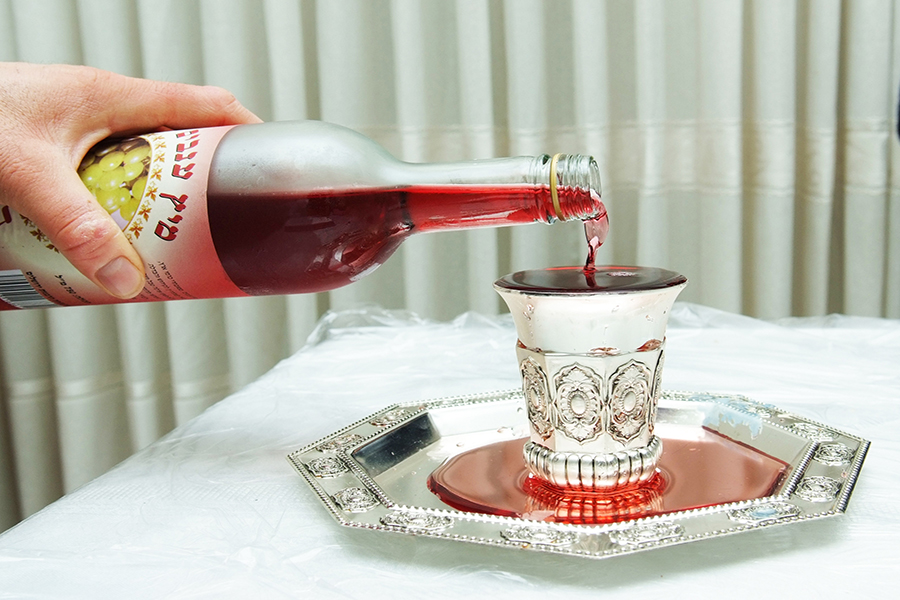
The rise of the chassidic movement, which exchanged many ancient Ashkenazic customs for those of the Arizal, also contributed to the increase in popularity of washing after Kiddush.
Before bathing, one must honestly assess whether or not it is needed for hygienic purposes. Failure to do so displays insensitivity to mourning the Beit HaMikdash and our nation's exile.
The Steipler used to eat milchigs on Shavuot night and fleishigs during the day.
When making early Shabbat, one davens Maariv before “evening,” following the opinion of R. Yehudah. Seemingly, then, one must daven Mincha on Friday before plag.
Sephardim believe glass utensils require no kashering at all since they are non-absorbent. Ashkenazim, however, forbid kashering glass for Pesach altogether.
Rashi, the Rif, and some Ge’onim go even further than the Rambam in their attitude towards mevushal wine; they maintain that it is not even full-fledged wine, and one should make a shehakol – not a hagafen – before drinking it.
It should be emphasized that if an Ashkenazi is in a shul on Seder night that recites Hallel, it is imperative that he or she not show any disrespect to the local custom.
Many authorities rule that it is preferable to continue the meal after nightfall as a way of acknowledging the semi-festive character of the next day, i.e., Shushan Purim.
There is another course of action to consider: not lighting Shabbat candles at all! Before you are scandalized by my suggestion, allow me to explain.
People are often strongly pro- or anti-sheitel simply due to their affiliation with a certain religious group. My goal in the article was to encourage people to think critically about the sheitel in an intellectually honest and nuanced manner
There is no denying that preferring sheitels is incongruous with the fact that frum Jews nowadays are much more likely to avoid leniencies and workarounds than they once were.
Nowadays, however - thanks to artificial light - most peoples' workday or school day extends well beyond twilight during Chanukah... Must one leave work or school early to light Chanukah candles on time?
Customs regarding sitting or standing for Kiddush and Havdalah have clearly been very much in flux for the last several centuries.
When all is said and done, refraining from wearing any kind of shoe on Yom Kippur is, strictly speaking, a stringency.
Except in extremely northern locales, the sky is dark and filled with stars well before the time that people claim is tzeit ha’kochavim according to Rabbenu Tam.


 July 3, 2026