יום שבת, י״ט תמוז תשפ״וSaturday, July 4, 2026



Follow Us


For bibliophiles and collectors of rabbinic history, booklets like Perush Derech Yemin represent the Holy Grail of ephemeral printing. B
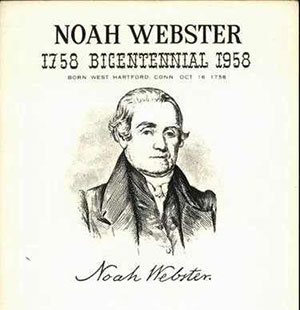
Historians of American education and Jewish life have noted that his dictionary familiarized non-Jewish Americans with Hebrew-derived terms without attaching stigma to Jewish identity, but for Jewish educators, this was a double-edged sword...
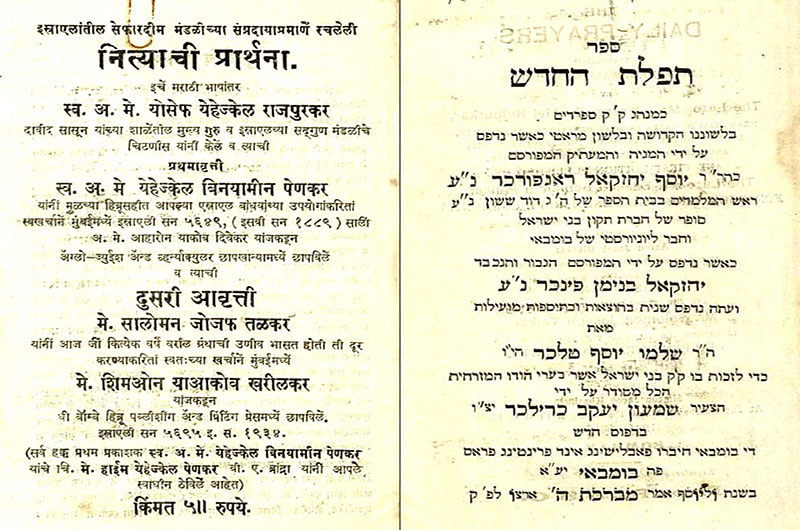
One of the most distinctive features of Bene Israel religious life is its special devotion to the Prophet Elijah. While Elijah occupies an honored place throughout the Jewish world, among the Bene Israel he became an especially beloved figure.
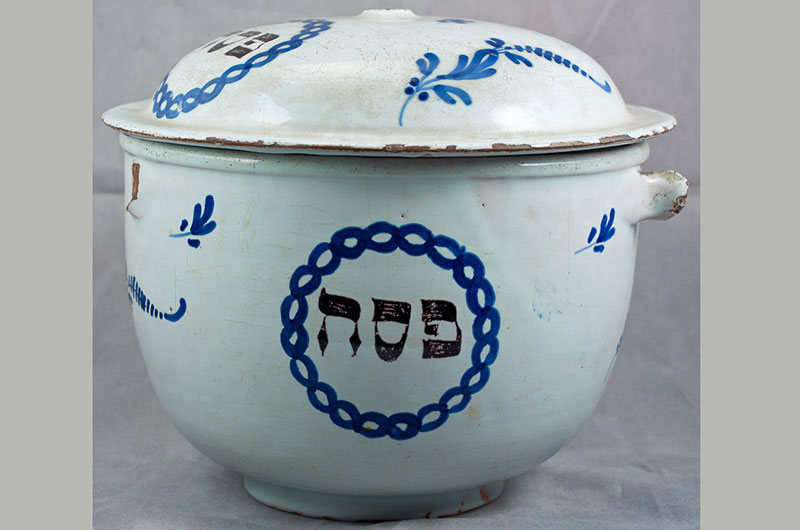
I was fortunate enough to be the high bidder of the item, and thought little of it over the years.
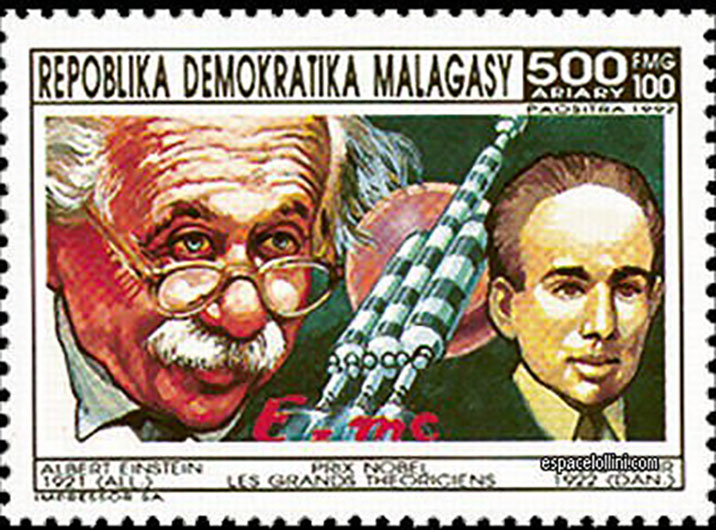
Born consistently resisted efforts by younger physicists to portray Einstein as obsolete or reactionary, and he publicly emphasized Einstein’s foundational role in creating the conceptual framework without which quantum theory itself could not exist.
Although he did not court the approval of Jewish newspapers, he was acutely aware of their influence in liberal circles, writing privately that “Approval or disapproval in the Jewish press is of minor concern, provided that the law stands and the state remains firm.”
Particularly poignant was a copy I once owned that contained an inserted typed letter signed by Rabbi Shlomo Shleifer himself.
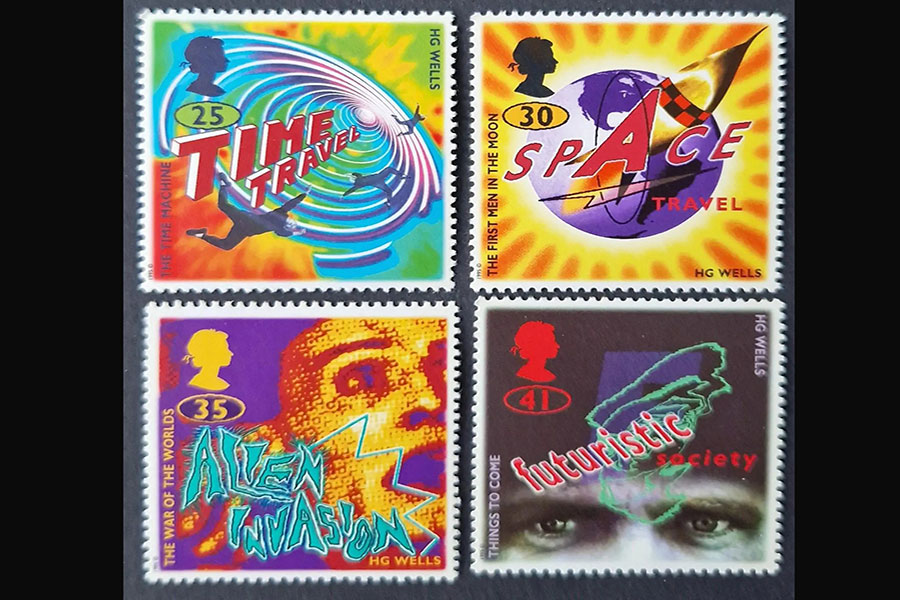
Wells exemplifies a strain of liberal thought that underestimated the resilience of antisemitism and overestimated the protective power of universal ideals.

What survives here is not merely a mohel’s register, but an extraordinary ethnographic document of Jewish life in transition...

This week I continue with a discussion of six additional popular toys that were created by Jewish inventors.

One of the most enduring controversies surrounding Barbie concerns the question of originality; critics argued that Ruth had appropriated the idea from the Bild Lilli doll and that full credit should therefore not accrue to her.
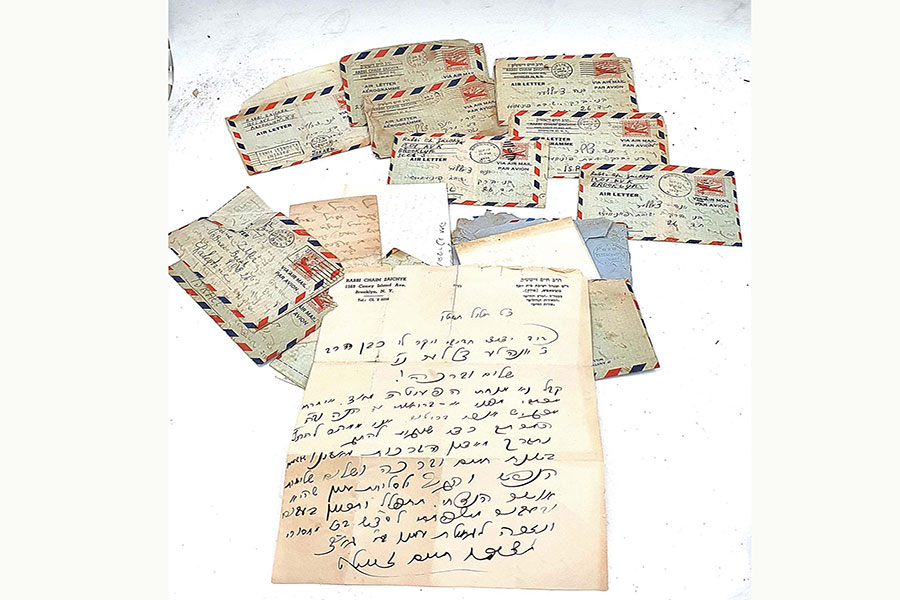
Rabbi Chaim Ephraim Zaitchik (1905–1989) stood as a distinguished spiritual mentor and prolific author within the Mussar movement, the Jewish tradition devoted to ethical refinement and introspective growth.
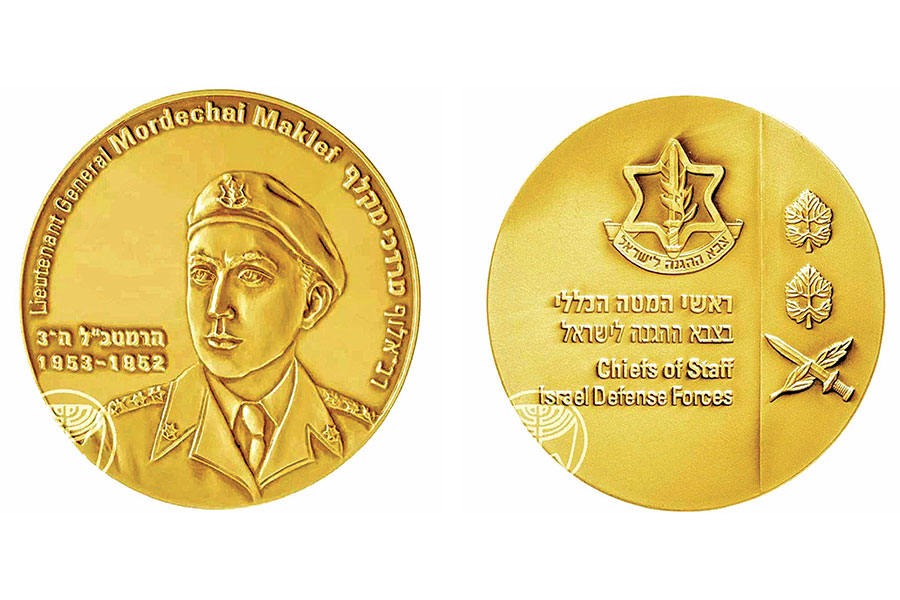
He was certainly not a charismatic hero in the mold of Moshe Dayan, nor a political visionary like Ben Gurion. Rather, he represented the disciplined, professional officer whose contributions were essential to the survival and consolidation of the State of Israel.
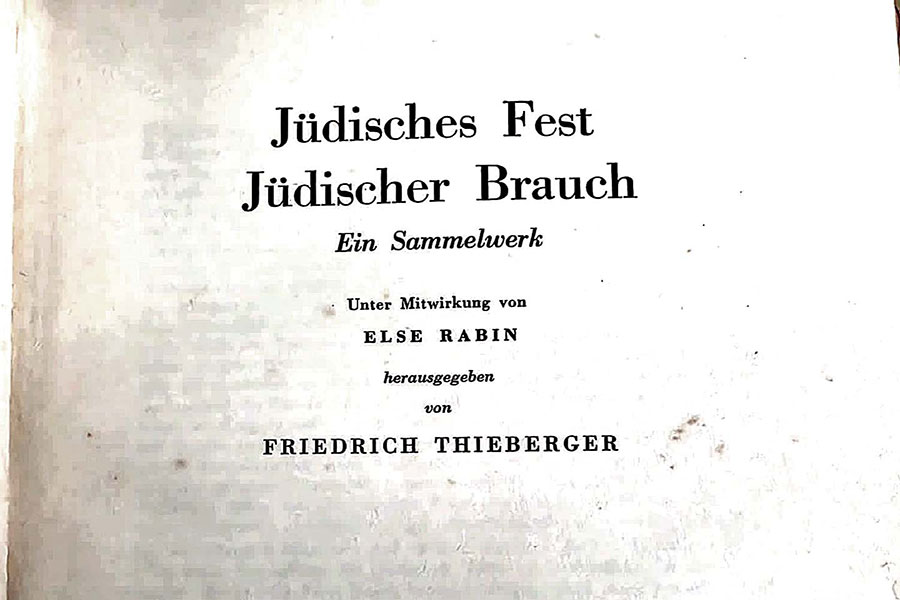
The Nazis sought to make a people vanish not only from the streets, but from memory. This book was an answer to that effort.
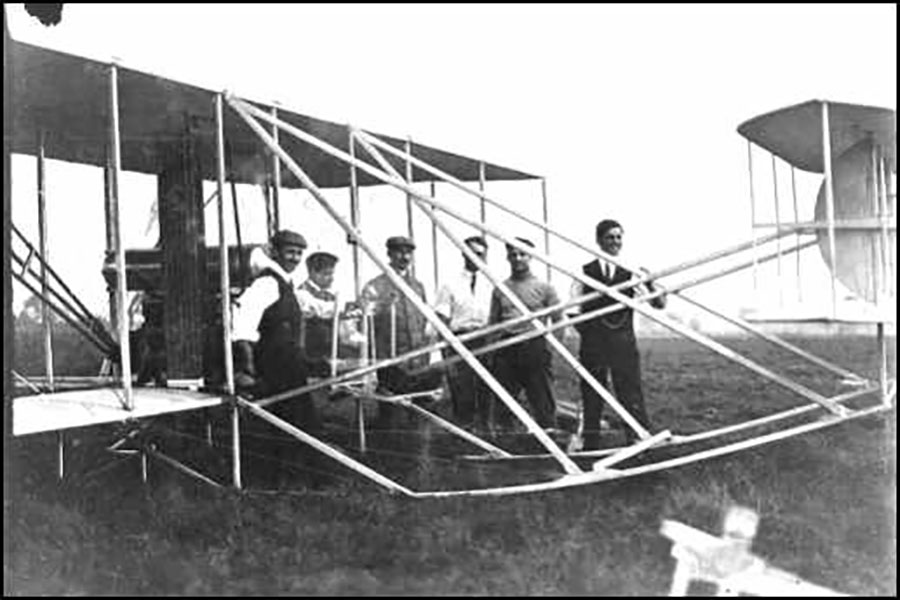
As exhibitions grew more competitive, pilots from other schools pushed for higher speeds, steeper dives, and more dangerous stunts. Wilbur and Orville Wright were steadfast in resisting this trend, emphasizing control and structural integrity, an ethos passionately embraced by Welsh.

Remarkably, it retains its original leather binding, a rarity for Zhitomir printings of this period.
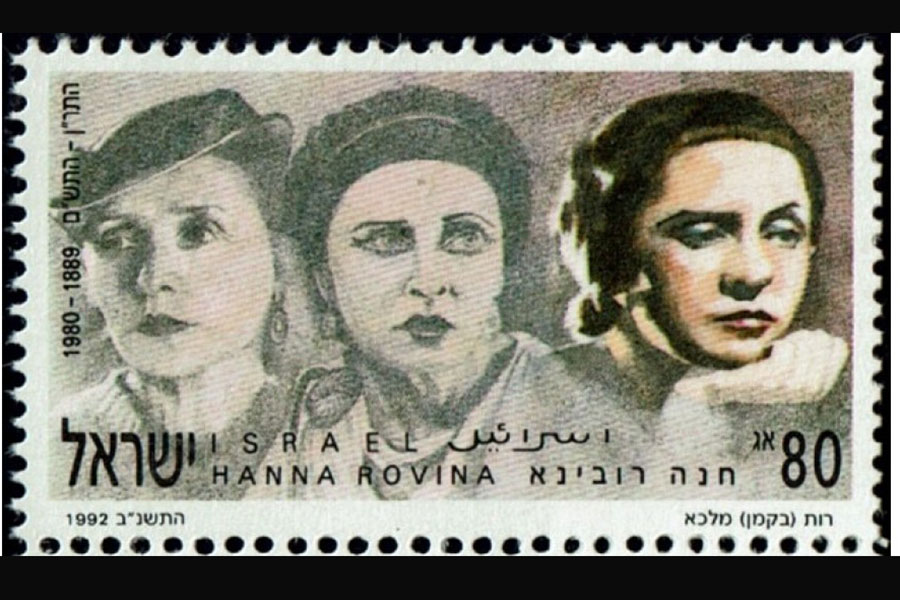
Today, Habima retains institutional and symbolic prominence as Israel’s official national theatre and it is widely treated as a foundational institution in modern Hebrew theatre.

For Hirsch, Hebrew is not a convenient tool for communication; it is itself a revelation.
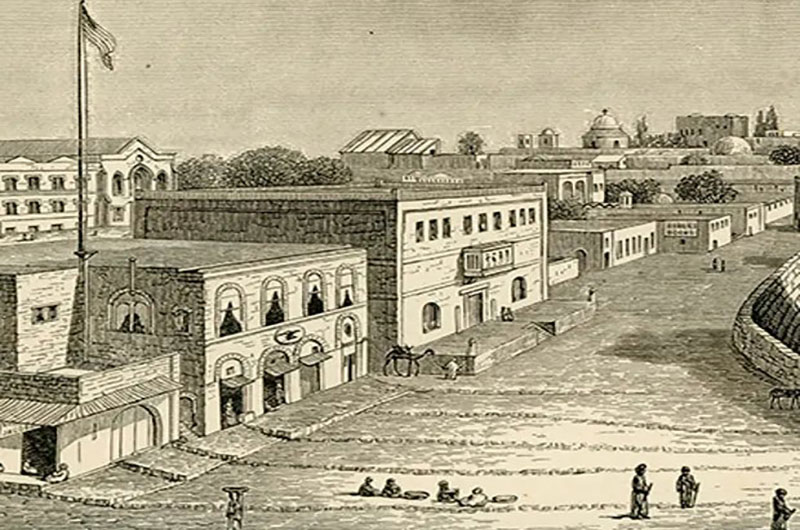
Once he became Michael Boaz Israel, Cresson’s energies turned with intensity toward the welfare of the Jewish people – spiritually, materially, and politically – and he embraced a life of public Jewish responsibility.
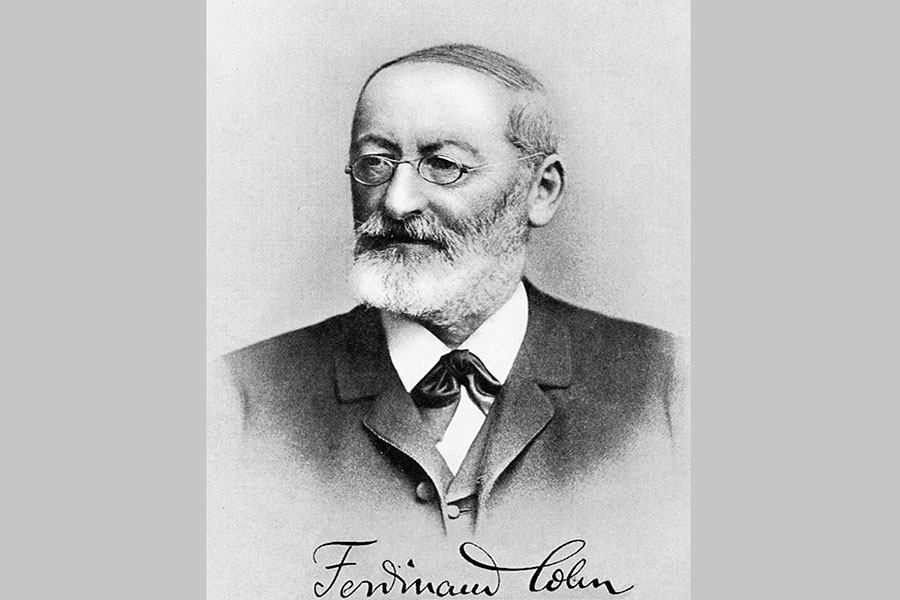
The most explicit discussion of Cohn’s Jewish background may be found in the collection Ferdinand Cohn – Blätter der Erinnerung (“Leaves of Memory,” Breslau 1901) assembled and published by his wife, Pauline.

Even the title page announces that this is no ordinary production. Figures such as Moses, Aaron, David, and Solomon are framed within an ornate Gothic design – a bold stylistic departure that signals the publisher’s intention to produce something entirely new.

Cassatt’s expression of high regard for Degas is entirely consistent with her long-standing view and she never wavered in her assessment of his artistic greatness, even after their personal relationship deteriorated over the Dreyfus Affair.

Beginning in 1947, the JRSO searched out heirless Jewish assets and unclaimed property in the American-occupied zone of Germany and distributed them to Jewish institutions and organizations, primarily in the USA and Israel.

Her press was conceived not as a commercial enterprise, but as a charitable institution dedicated to the proliferation of knowledge and literacy.
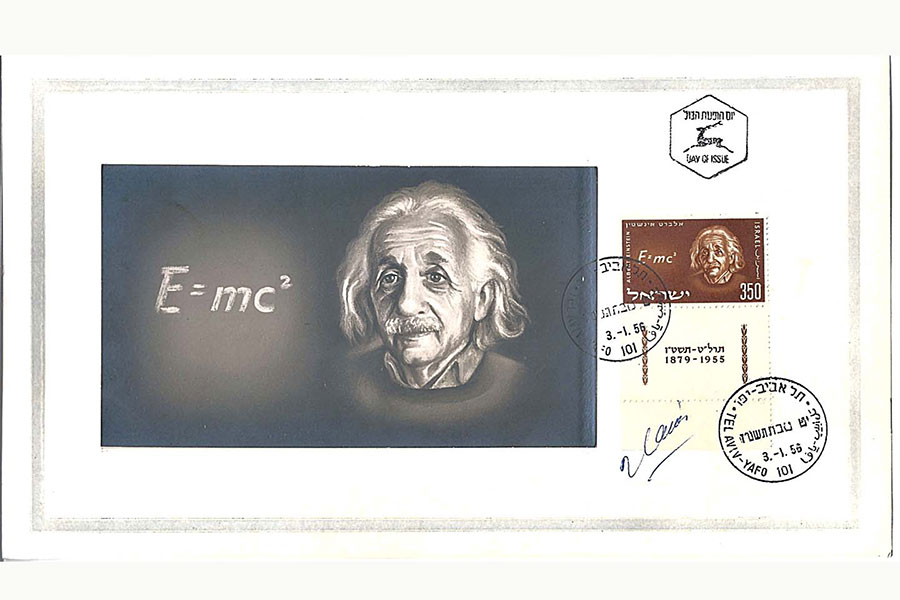
In the wake of Lessing’s killing, newspapers across Europe announced that a bounty had been placed on Einstein’s head, with some accounts reporting the sum as £1,000, a substantial figure for 1933, and another reporting that the price was as high as $5,000.
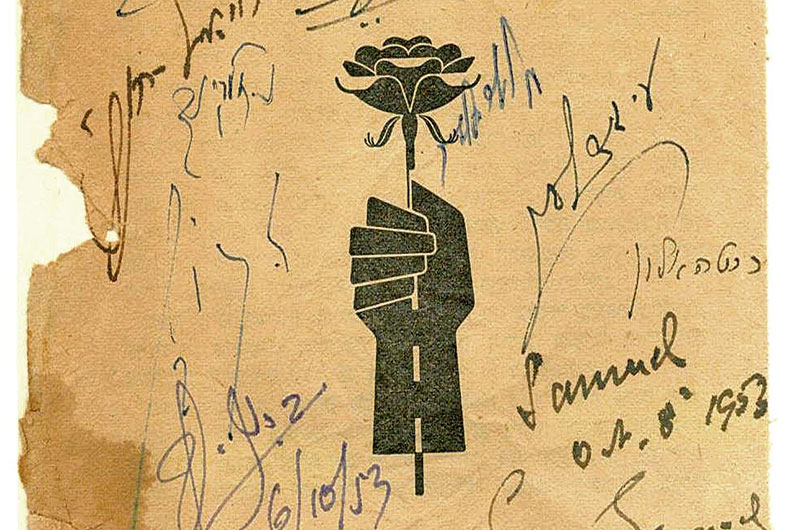
The 1953 exhibition remains a landmark that is still remembered as Israel’s first internationally sanctioned specialized expo and a milestone in the country’s early public diplomacy.
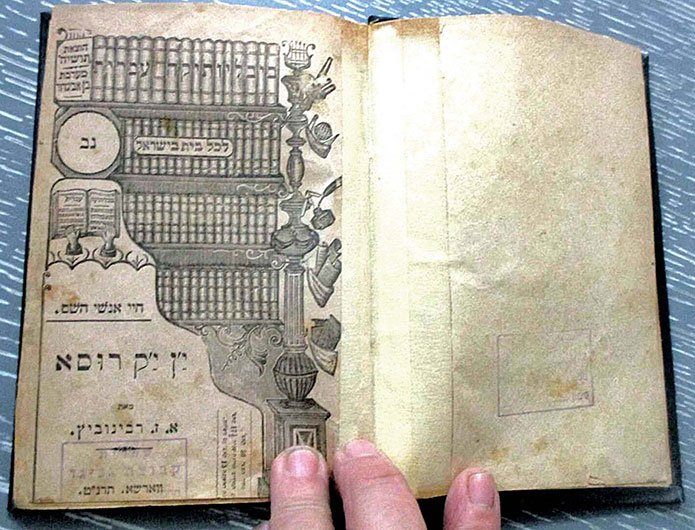
In assessing Rousseau’s relationship to Judaism, it is crucial to recognize how distinctive his position was within the intellectual milieu of his day.

Written contemporaneously with his more widely recognized Ikveta DeMeshicha, Da’as Torah has, inexplicably, remained eclipsed.
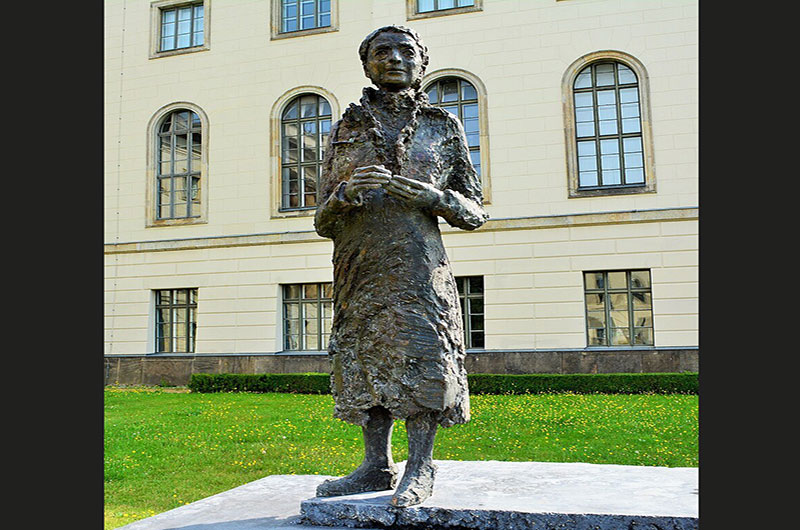
After the war, Meitner moved to Cambridge, England, where she spent the last decades of her life and remained active as a lecturer and mentor, especially encouraging young women to pursue careers in science.
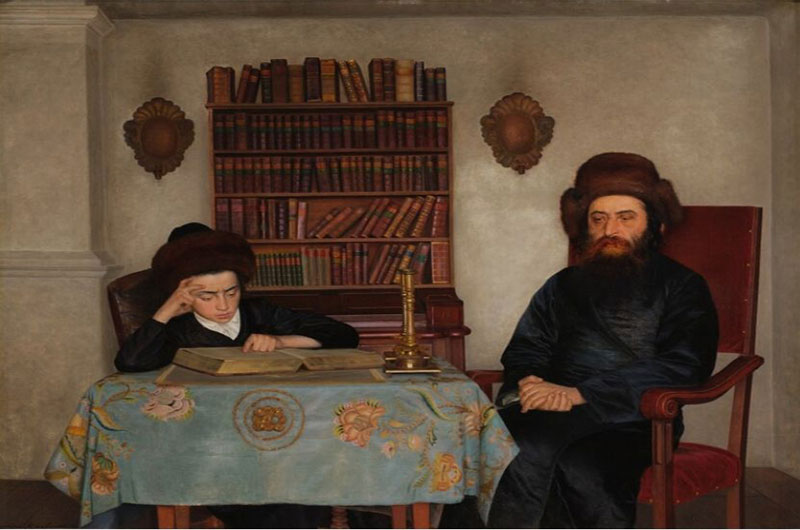
I always enjoy getting up close to a Kaufmann painting because the depth of detail in his works is so realistic and lifelike. Kaufmann was known for his portraits of religious Jews.
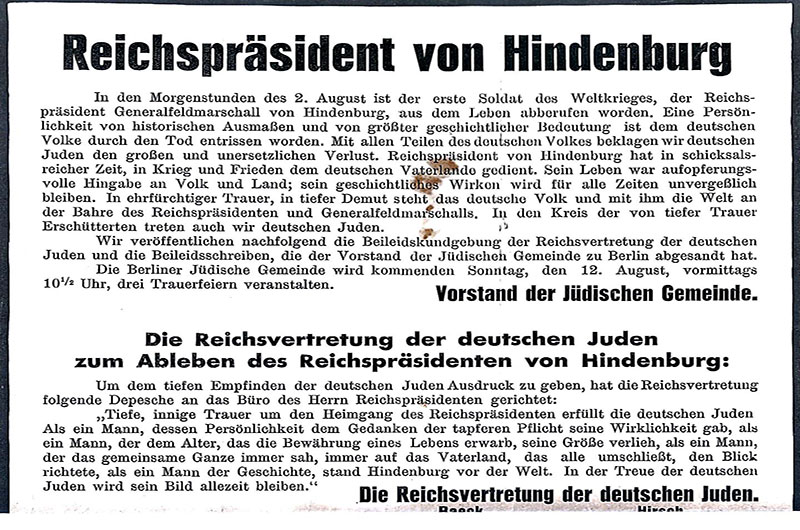
Hindenburg never visited Eretz Yisrael, nor did he express particular interest in Zionism.... At the same time, there is also no evidence that he was hostile to Zionist aspirations; it simply lay far outside his field of concern, as his worldview was shaped by Germany’s past, not by the national movements of other peoples.

Rav Menasseh is perhaps most remembered for his diplomatic mission to England, where he petitioned Oliver Cromwell to formally readmit the Jews, who had been expelled since 1290.
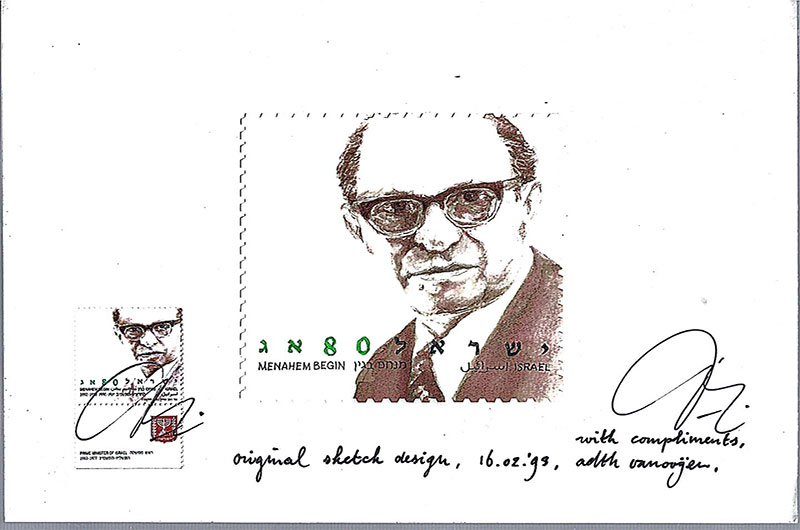
He rarely left the apartment; his only outings were to visit his wife’s gravesite and recite the traditional Kaddish on the anniversary of her death.
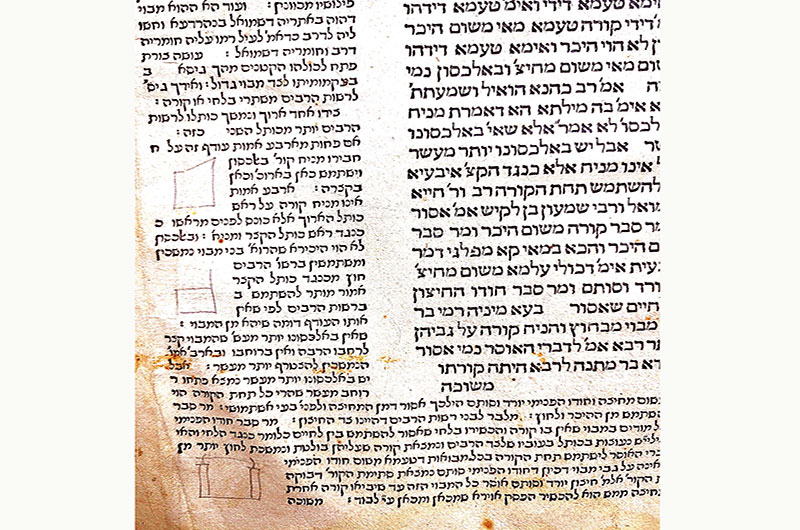
Eruvin is not merely a legal tractate; it is a cartographic one. Its sugyot are saturated with geometry, spatial reasoning, and the precise delineation of Shabbat domains.
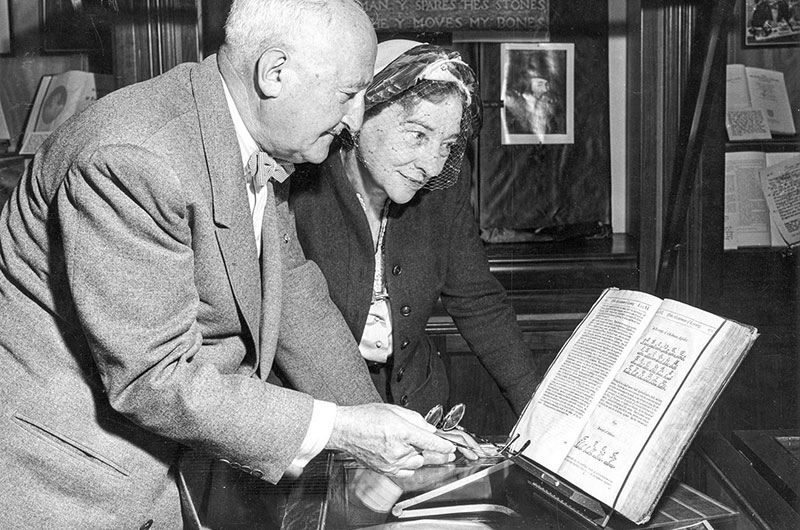
When the United States entered World War I, the Army lacked an official cryptographic service, and Riverbank’s Department of Codes and Ciphers, where the Friedmans worked, became the de facto center for American codebreaking.

This collection is more than paper and ink; it is a living testament to a world in which Jews of every background could find common cause in the sacred task of Torah learning.
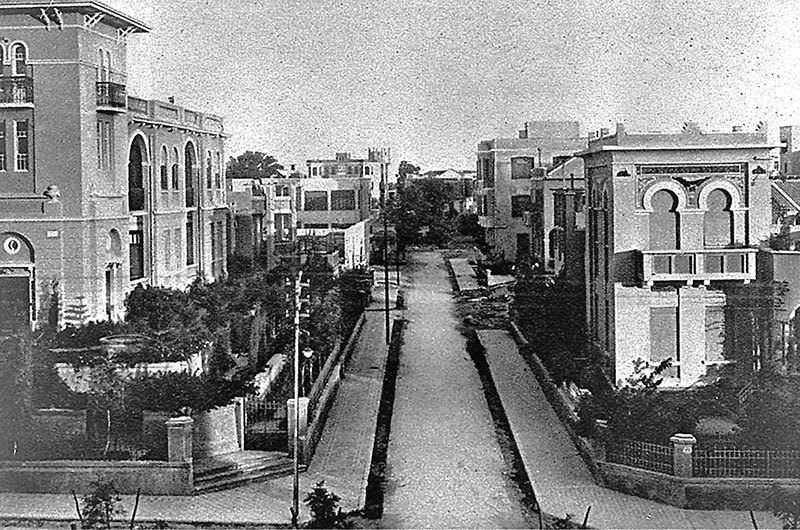
Perhaps the most enduring aspect of the Shadal’s legacy is his personal integrity.
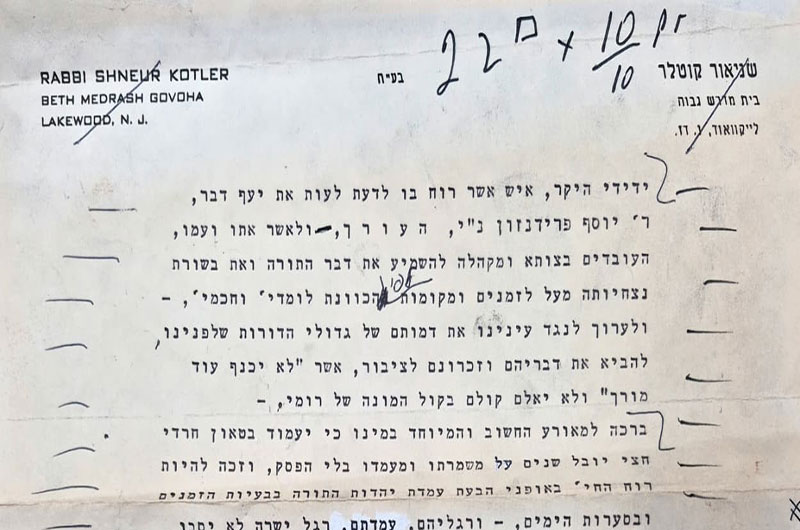
Rav Kotler reflects on the dramatic changes that took place in the quarter-century since the founding of Dos Yiddishe Vort. But the most striking element is not institutional growth per se; it is the profound shift in the self-perception of Torah Jewry.
That Congress acted for “the legal representatives of David Valenzin, deceased” in March 1804 indicates both that a formal attempt at redress was recognized and that Valenzin had passed away by that date.

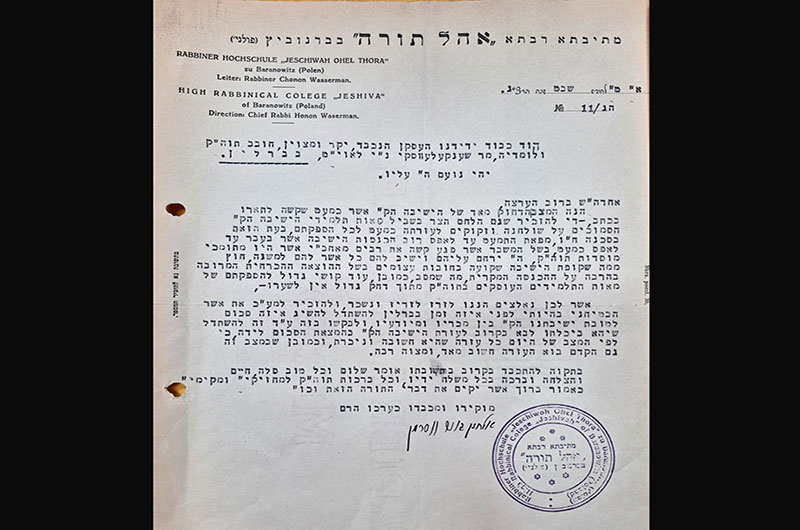
Contrary to the comforting fiction often repeated, Hitler’s rise did not require years to become economically catastrophic for German Jewry. While January 30, 1933 did not immediately bring formal laws confiscating Jewish property, it unleashed something just as effective: panic, paralysis, and collapse.

What makes Te’udah be-Yisrael especially noteworthy is its moderation. Unlike later, more radical maskilim, Levinsohn defends the historical role of the rabbis and recognizes the necessity of rabbinic authority in its time.
It is interesting that Duckwitz was required to forward a simple autograph request up the chain of command and to obtain formal approval from the Reich Foreign Minister in Berlin to provide the signature.
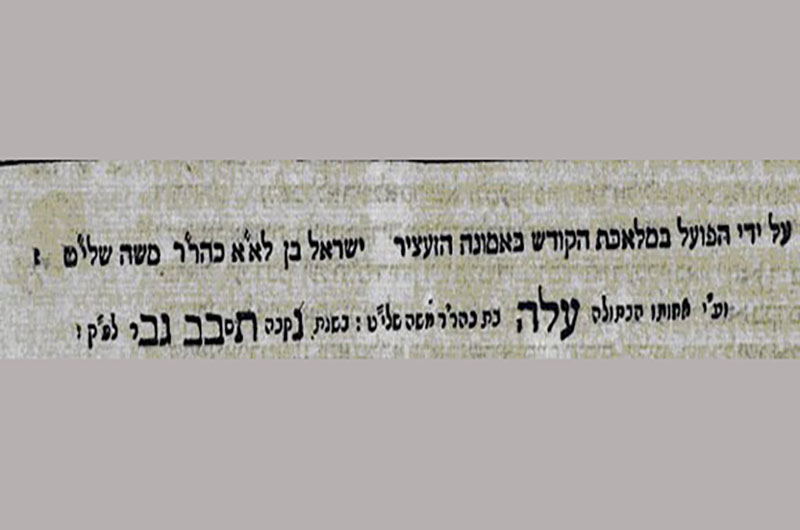
Beyond its visual splendor, the Frankfurt Talmud introduced a development that would reverberate through the Hebrew printing world: the use of restrictive rabbinic approbations granting exclusive printing rights for periods of 15 to 25 years.
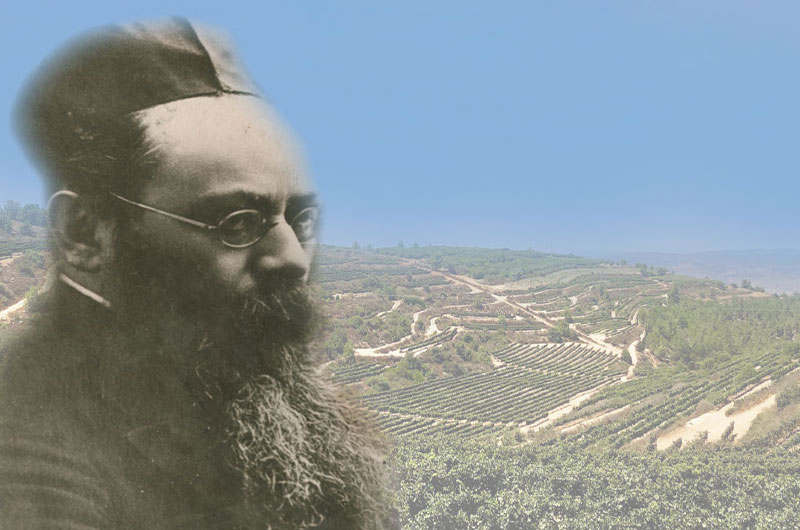
Rav Nissenbaum’s published oeuvre and editorial work give the best available access to his substantive positions on Jewish law, social practice, and the national question, as he was a prolific writer of derashot (sermons), pamphlets, articles, and at least one substantial autobiography/memoir.

What cannot be denied is the devotion he inspired among the East End’s working-class Jews.
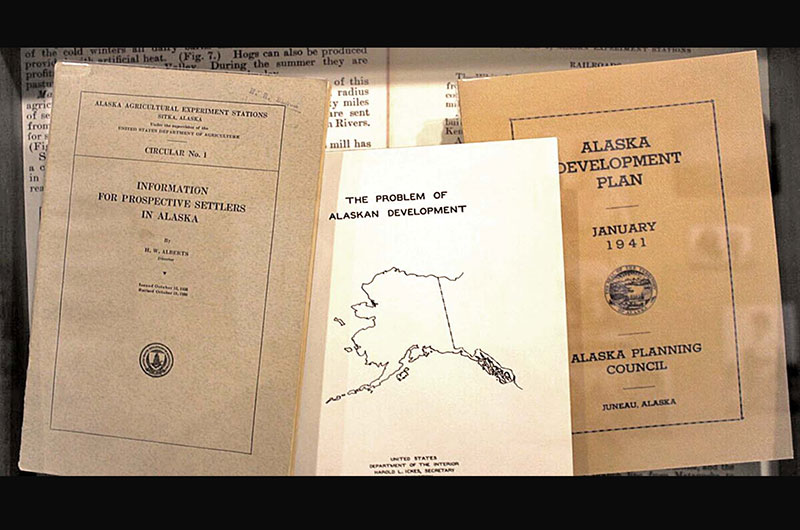
Slattery’s administrative record, like that of many career public servants of his era, was primarily secular and bureaucratic; he was not known as a leader of Jewish communal life nor as a voice on Zionist issues prior to the Slattery Report’s association with his name.

What elevates this modest booklet to near-mythic status is who studied it – and how.
Arendt shrugged off her inaccuracies and errors by arguing that much of the public onslaught was little more than a political campaign to discredit her and that criticism often misrepresented the book.
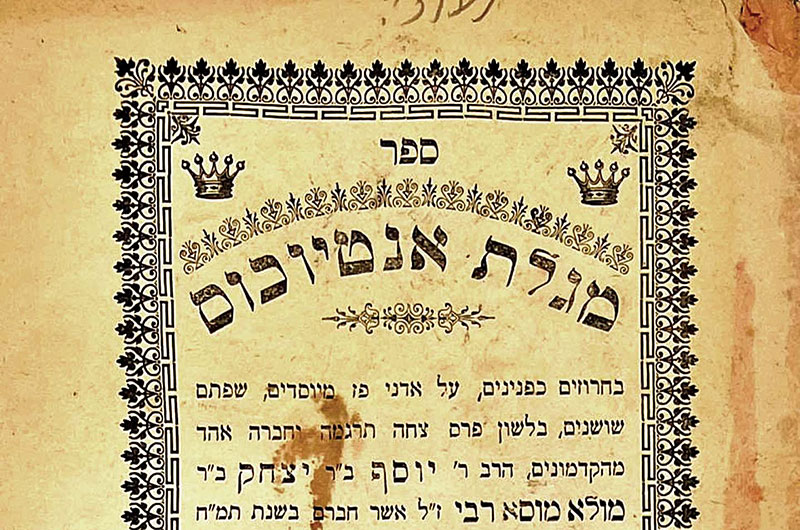
What makes this particular edition especially captivating is the language in which it speaks. Judeo-Persian – the literary tradition of Persian-speaking Jews who wrote in Persian using Hebrew characters – is among the most remarkable cultural inheritances of the Jewish world.
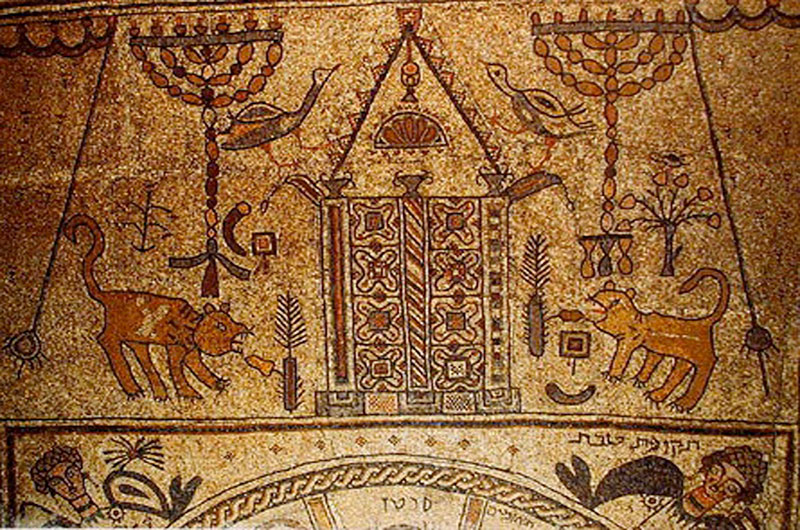
When scholars consider whether the swastika was a Jewish symbol in the sense that the Star of David or the Menorah is a Jewish emblem, the answer from mainstream academic literature is that there is no evidence that Jewish religious authorities, rabbinic leadership, or organized Jewish communities adopted the swastika as a recognized symbol of Judaism.

You have, without question, a rare Mizrach of significance and beauty made by your great-grandfather, who, until this very moment, was an unknown, unrecognized but highly skilled papercut artist living in Minneapolis.

Contrary to its name, the Tower has no direct connection to King David, yet its name and its stones tell a complex story of conquest, religion, empire, destruction, and preservation.
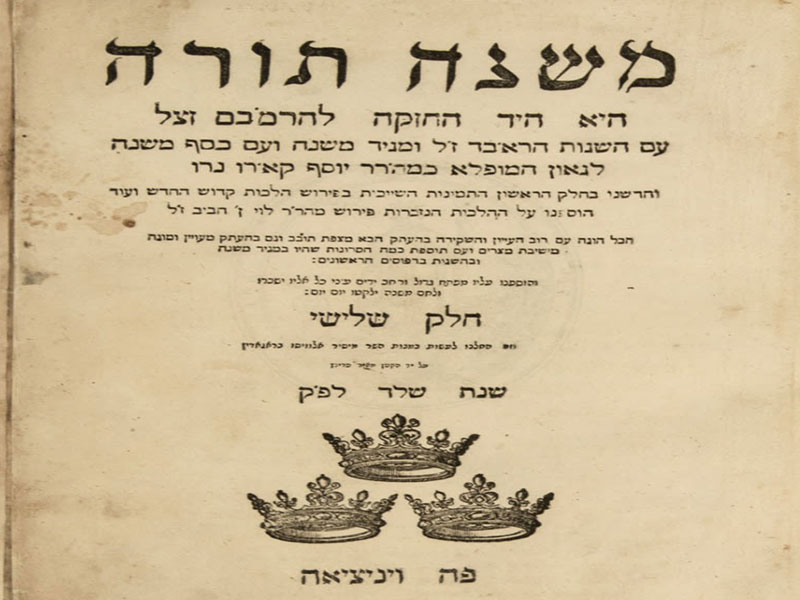
Collectors and scholars alike will appreciate the additional significance of this edition. It marks the first publication of a comprehensive alphabetical subject index, prepared from the writings of the school of ha-Rav ha-Zaken, gadol be-doro, R. Baruch Uziel.

There are stories – some plausible, albeit not well documented – that Elvis’s managers advised him, in the racially charged environment of mid-century America, not to emphasize a Jewish heritage because of concerns about the prejudices of Southern audiences.

In Tanach, Achithophel was King David’s brilliant counselor, so sharp in judgment that Scripture says seeking his advice was like inquiring from the word of G-d.
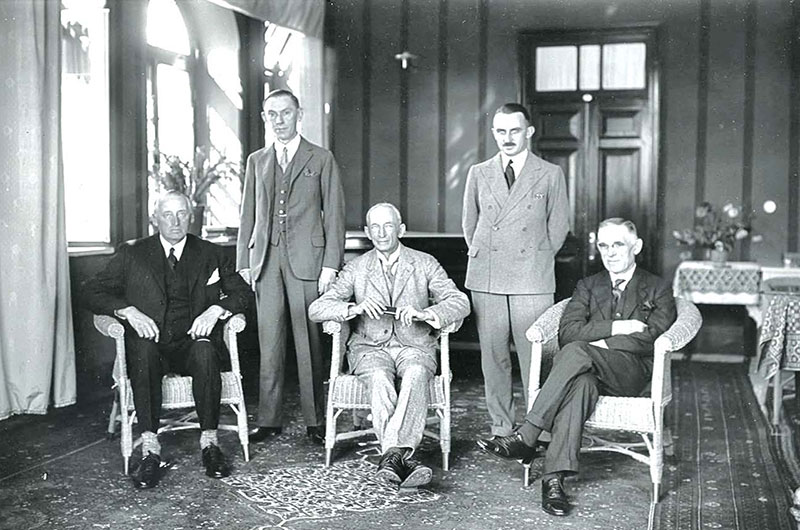
The lack of previous entanglement with the Mandate or with Jewish–Arab issues was precisely why the British government selected him: it wanted someone perceived as impartial, with no record of favoring Zionist, Arab, or imperial political positions.

Pollard’s recruitment by Israeli handlers and the timeline of his espionage are matters on which documentation is clearer than his motives and consequences.
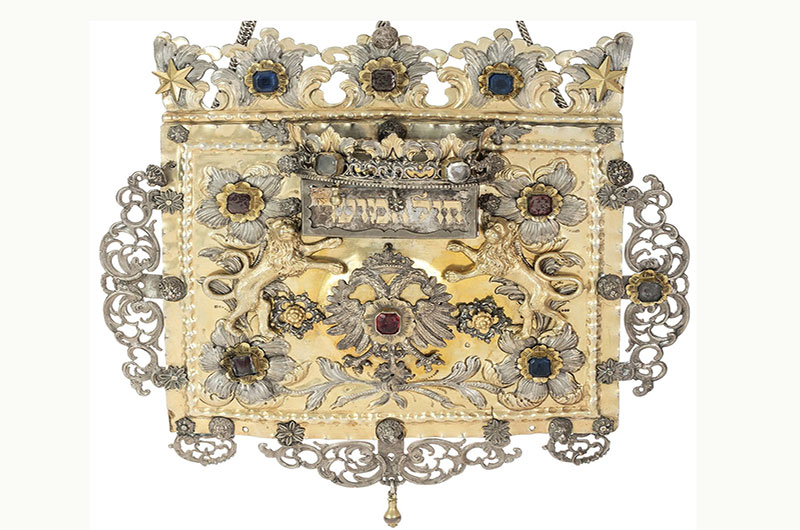
The showstopper of the sale was a truly rare silver piece: a hanging Sabbath lamp from England, dating to the year 1726, as indicated by the numerous British silver hallmarks found on the lamp.

At the center of the storm stood Rabbi Yosef Shalom Abdallah, a distinguished and forceful personality, and a cousin of the Ben Ish Chai.
Levy was both admired and criticized within the American Jewish community. Many Jews saw him as a symbol of Jewish pride and accomplishment, proof that Jews could serve with distinction in the highest ranks of American public life, while others were uncomfortable with his duels, his combative personality, and the controversies that surrounded him.

And at the center of this revolution stood Daniel Bomberg, a Christian printer from Antwerp who opened a Hebrew press in Venice in 1516. Working with brilliant Jewish scholars, proofreaders, and editors, Bomberg became the single most influential printer of Hebrew classics in the early sixteenth century.
Elman participated in benefit concerts for Jewish relief organizations during and after the war, raising funds for survivors and displaced persons. In one case, he and his wife assisted in providing affidavits for the Hammberschlag family in Germany and sponsored them (the family arrived in the United States on July 13, 1939).
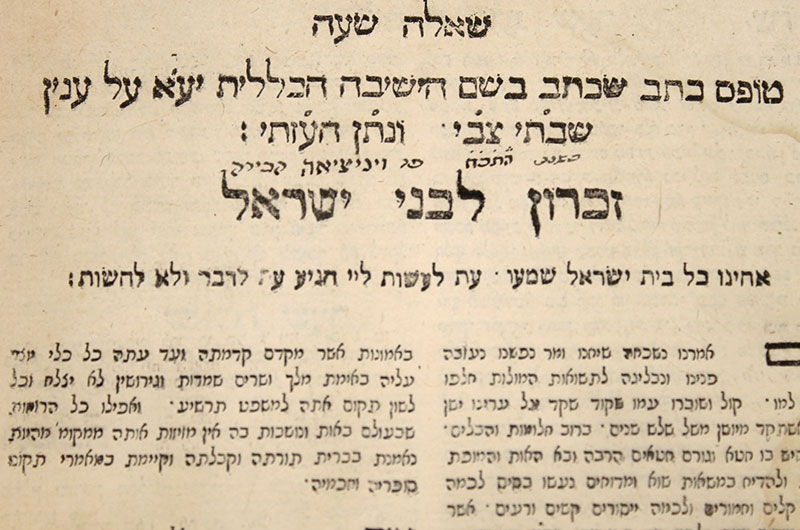
Rabbi Shmuel ben Avraham Aboab, was among the foremost Sephardic Sages of the seventeenth century.
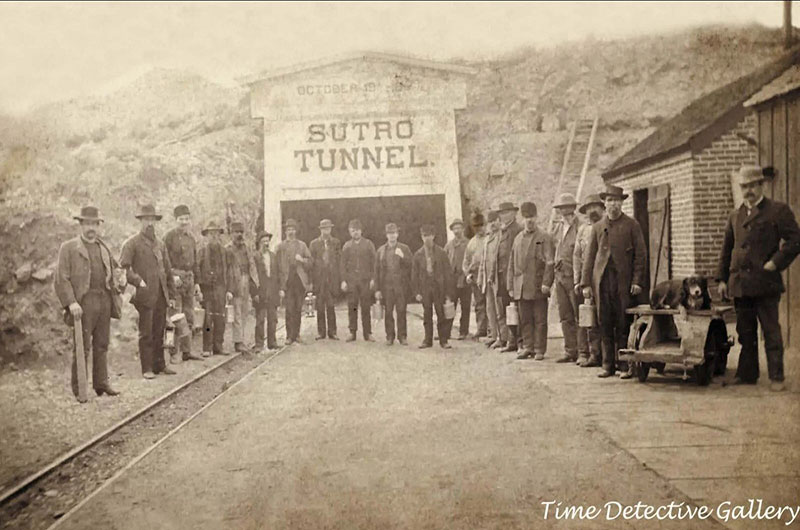
Sutro opened his own estate to the public and he was heralded as a populist for various astute acts of public generosity, such as opening an aquarium and an elaborate and beautiful, glass-enclosed entertainment complex called the Sutro Baths – which housed seven swimming pools (one freshwater, six saltwater), 517 changing rooms, and could accommodate an unfathomable 7,400 bathers – a museum and an ice-skating rink.

Across a long life that spanned the collapse of the Habsburg world, two World Wars, the Holocaust, and the founding of the State of Israel, Schick combined scientific innovation with leadership in Jewish medical institutions, philanthropic circles, and public-health education aimed at protecting children – an ethic he framed repeatedly with moral language rooted in Jewish concern for life.
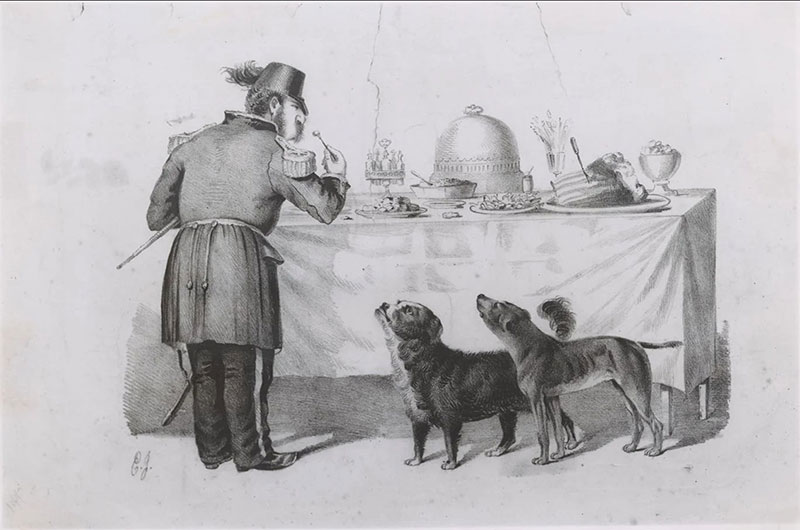
Much has been written about the theatrical elements of his “reign” and the popular tolerance that allowed a self-declared emperor to roam a major American city free of serious harassment.
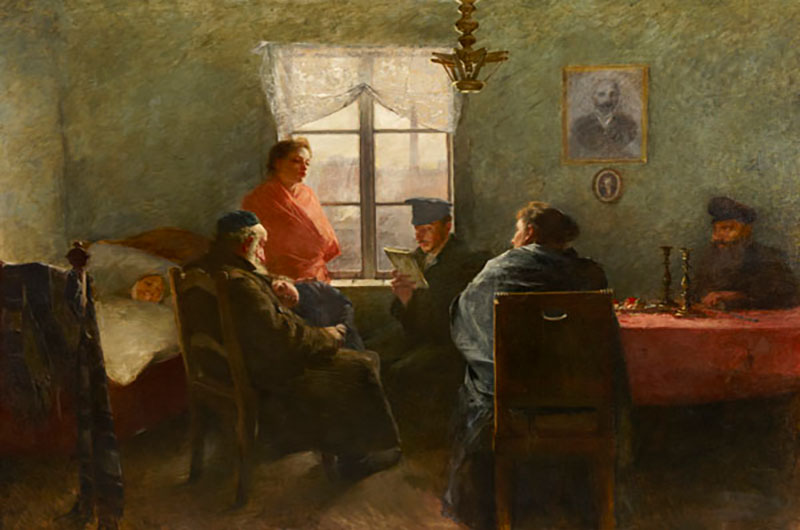
Hirszenberg was born in Łódź, in the Russian partition of Poland, the eldest son of a poor Jewish weaver, who was initially opposed to Samuel's artistic ambitions, which were viewed as incompatible with the values of traditional Jewish life.
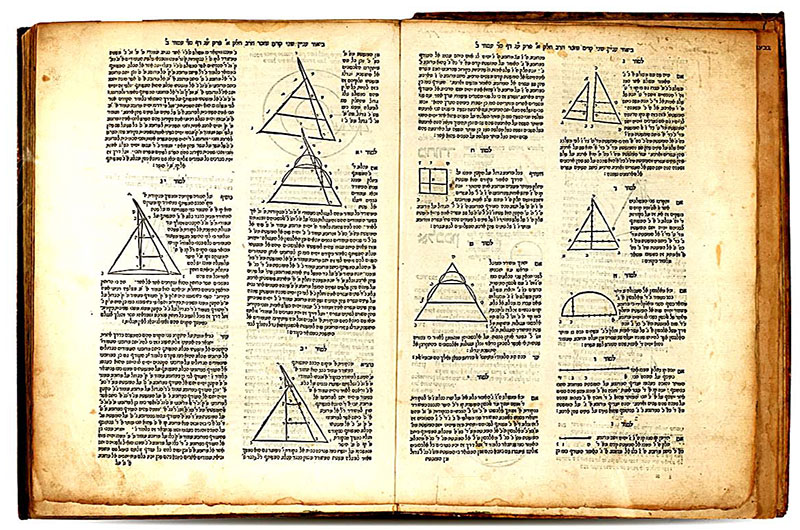
What makes this edition even more significant is its place in the history of Hebrew printing.
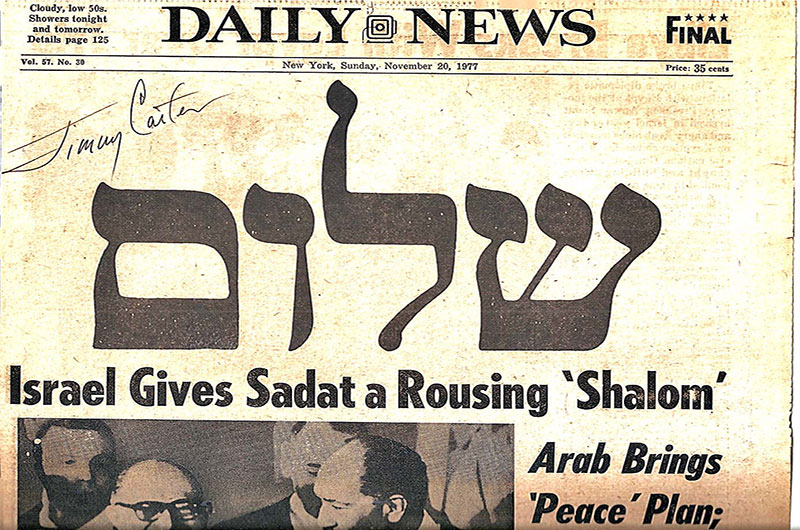
The long-term consequences of Carter’s engagement with groups like Hamas were reflected not just in diplomatic circles, but also in the shifting narratives of the Israeli-Palestinian conflict within American discourse.

Printed with the Hadrat Kodesh commentary and following the customs of the Kahal Kadosh Ashkenazim, this impressive edition stands out not only for its rich liturgical content but also for its craftsmanship.
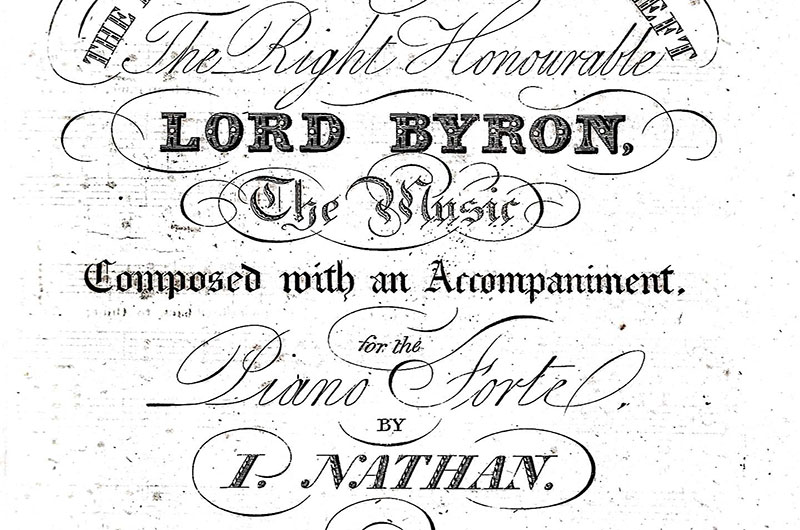
As the Romantic movement reached its crescendo across Europe in the early nineteenth century, few collaborations seemed as unlikely – and as fruitful – as that between Lord Byron, the scion of English nobility and a literary enfant terrible, and Isaac Nathan, an observant Anglo-Jewish composer and musicologist.
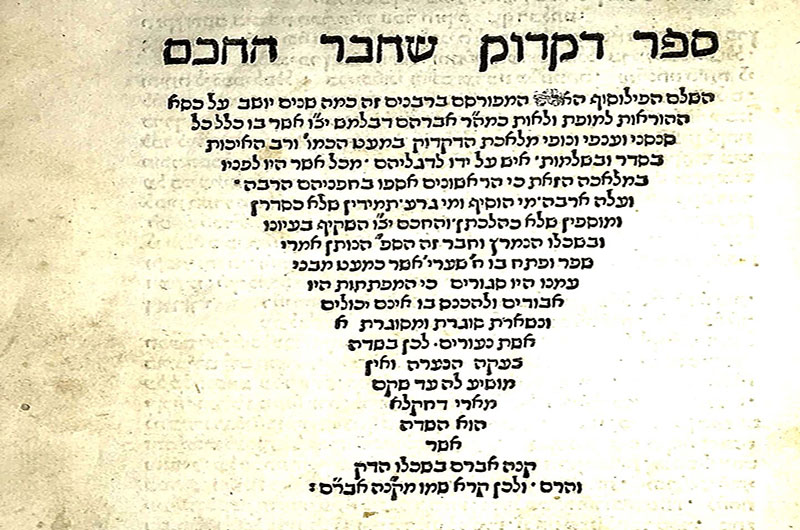
Mikneh Avraham occupies a singular place in the evolution of Hebrew grammatical literature.

Although it has become one of the most familiar and participatory rituals of the High Holiday season that is embedded in contemporary Jewish practice, the extralegal origins of Tashlich and the controversies it once generated have largely been forgotten.
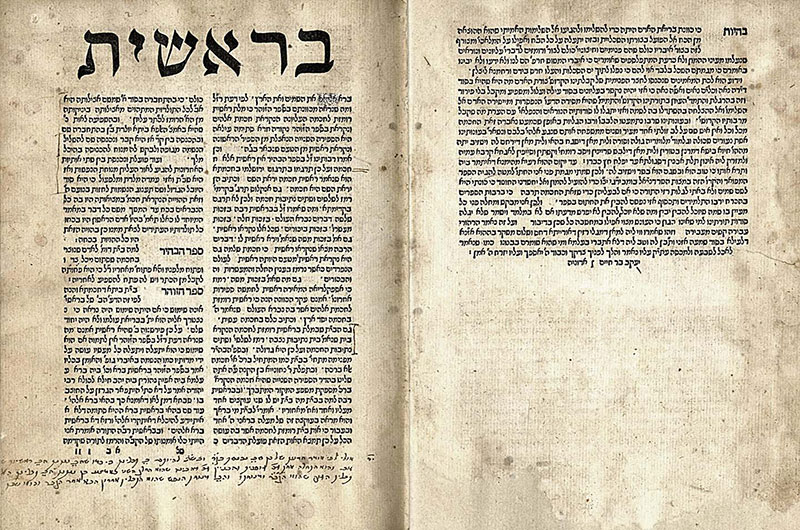
In his preface, Yaakov ben Chaim offers a sober caution to readers: only those capable of comprehending these mystical teachings should engage with them, and the secrets within must not be disclosed to the unworthy.
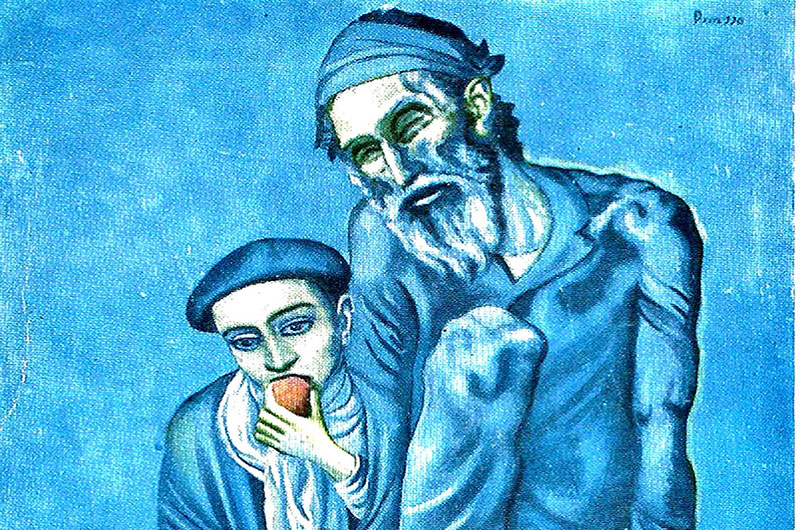
Art historians and commentators, who are fascinated by the question of why Picasso singled out a specifically Jewish figure for The Old Jew, have presented many theories on the subject.
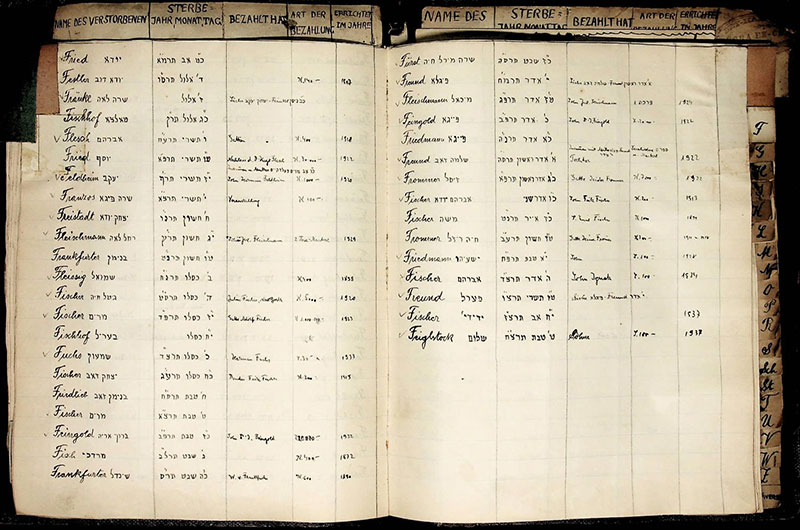
This handwritten volume, recording the names and yahrzeits of nearly 1,500 neshamot, was copied for the shul’s last rav, Rabbi Shlomo Baumgarten, just before he fled the Nazis in 1938. It is only thanks to that copy that we know what we know today.
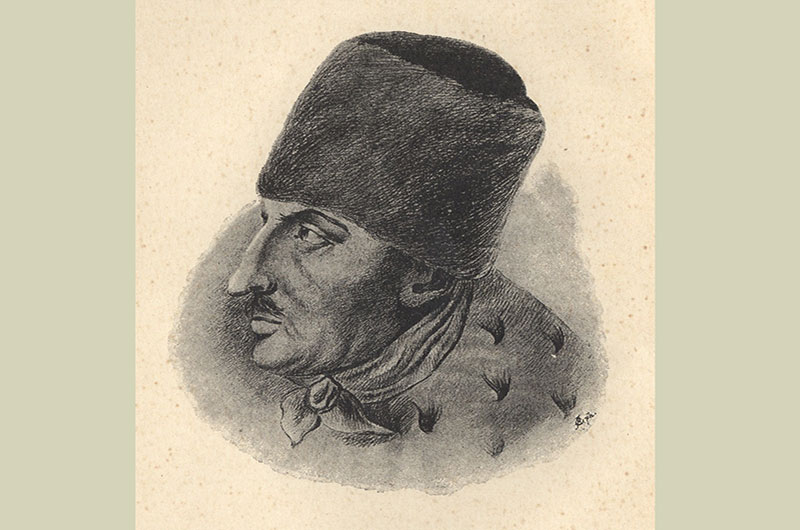
While Jacob Frank emphasized transgression and mystical dialectics between good and evil, Eva’s theological voice, while less documented, seems to have emphasized divine femininity, purity, and mystical royalty.
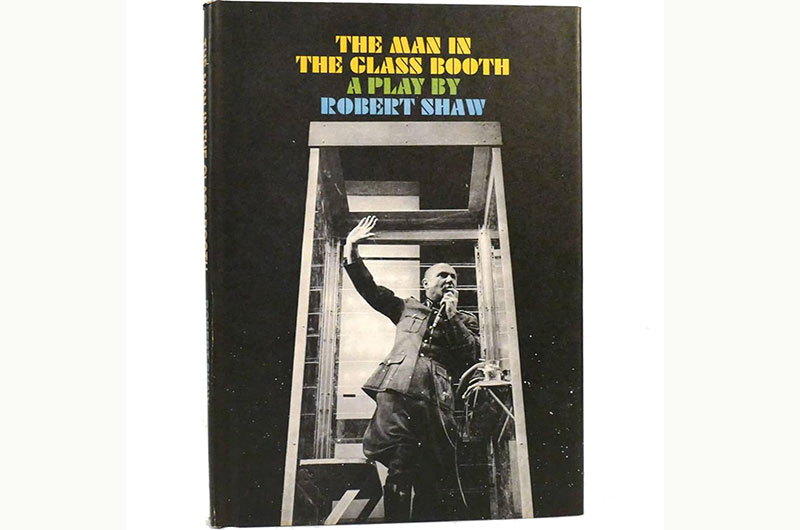
Despite its unsettled reception, The Man in the Glass Booth was neither suppressed nor forgotten; to the contrary, its notoriety ensured its place in the canon of post-Holocaust drama.

The Hitler Haggadah takes the traditional Passover narrative and reimagines it through the lens of wartime realities, framing the Allied victory over the Nazis as Divine intervention.
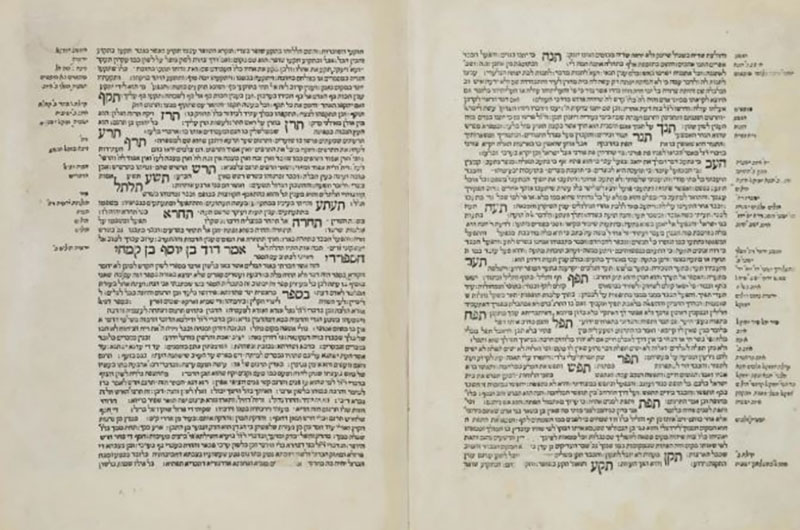
Its clarity, accuracy, and comprehensiveness swiftly eclipsed earlier lexicographical works, establishing it as the indispensable reference for generations of scholars – both Jewish and Christian – who sought to unlock the linguistic treasures of the Tanach.
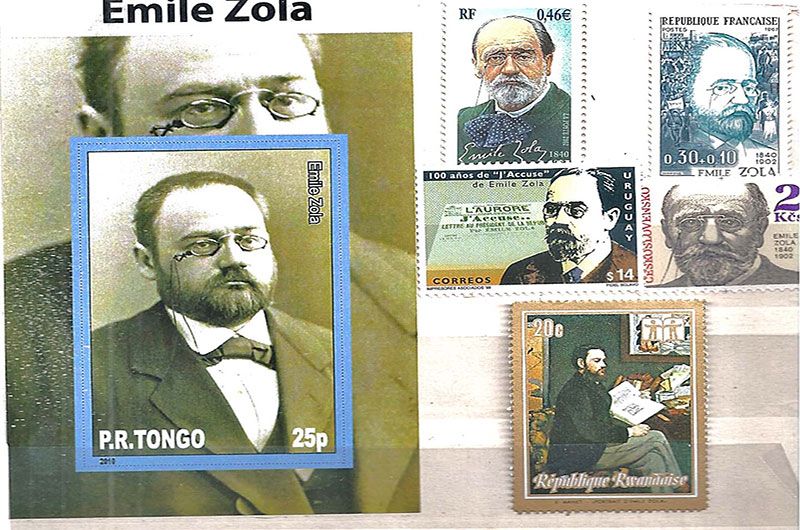
While Zola is celebrated today as a defender of Jewish rights, his fiction, particularly in La Curee, reflects the complexities and contradictions inherent in French attitudes toward Jews in the late 19th century.

The sefer is sui generis – not a conventional commentary, nor merely a novellae – but a tightly reasoned map of halachic architecture, often condensed into a few masterfully chosen words.
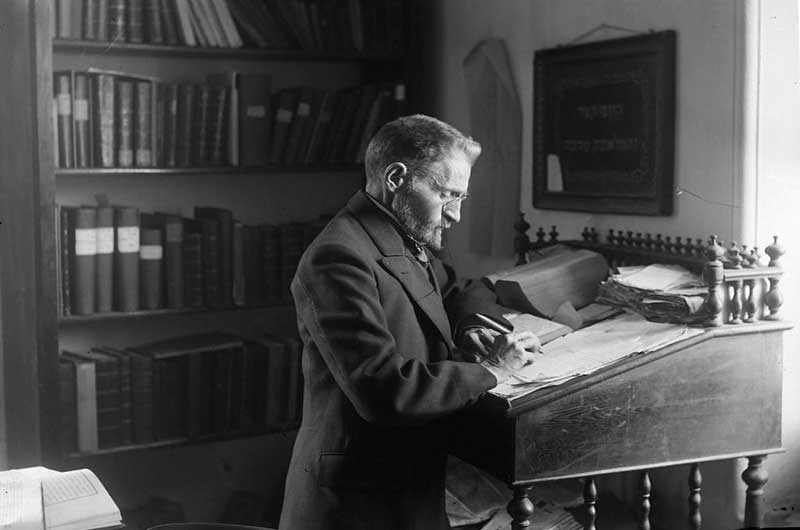
Turning himself into a scientific lexicographer, he was determined that each word would have its roots in Biblical sources to the greatest possible extent. However, in many cases, there were no analogs – one estimate is that the Hebrew Bible contains only 6,259 unique words, while modern Hebrew has about 80,000 – so he had to create new words from whole cloth.
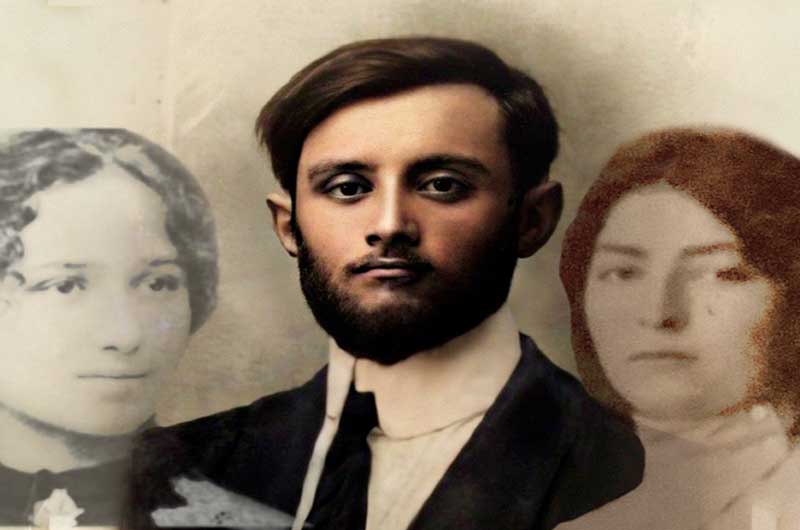
While in the United States, Aaronsohn made some important contacts in the American Jewish community, including with some leading philanthropists, who agreed to finance Aaronsohn’s efforts to establish such an institute.
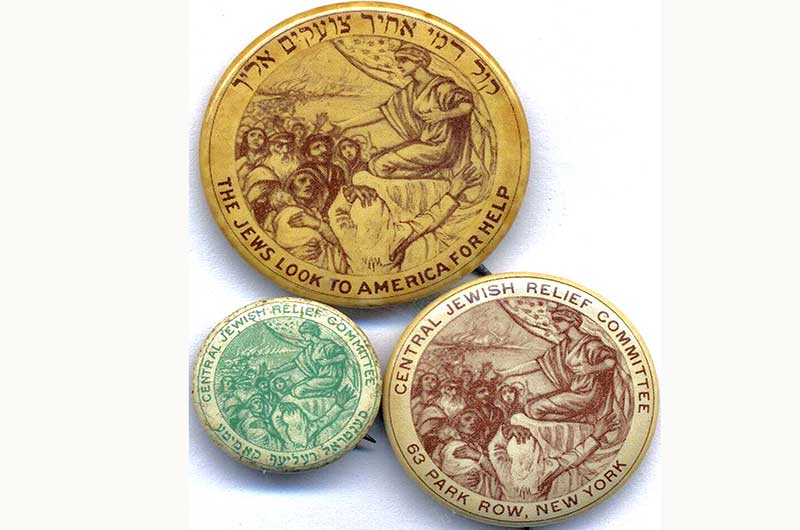
It is somewhat puzzling that the article states that 100,000 banks will be issued, as aside from my example, I am aware of only one other in private hands; this item is quite scarce.

Conti’s foray into Hebrew printing was neither accidental nor peripheral.
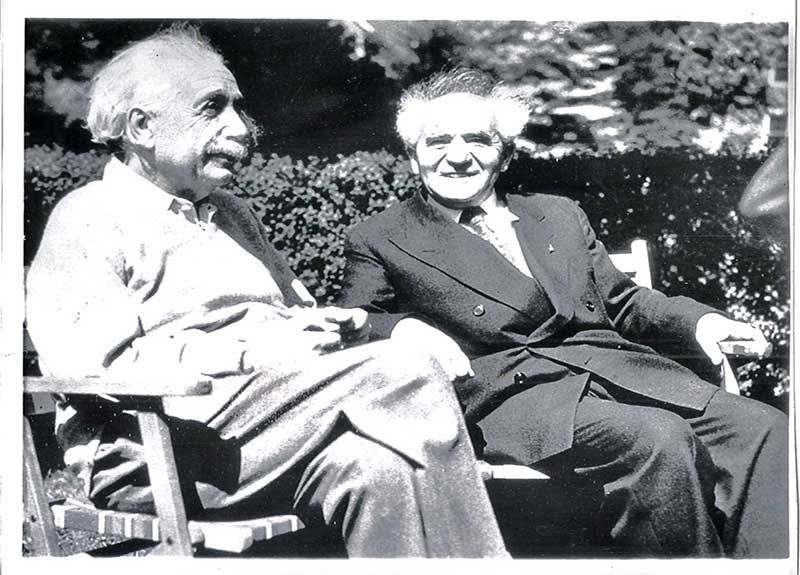
The suggestion that Einstein be invited to assume the presidency of the Jewish State was first publicly disseminated by the evening newspaper Maariv. The idea, which spread quickly, became broadly popular...

Their inaugural production was a deliberate echo of their past: a reprint of the Lisbon Abudarham, almost identical to the earlier edition save for a few typographic changes and a revised colophon.
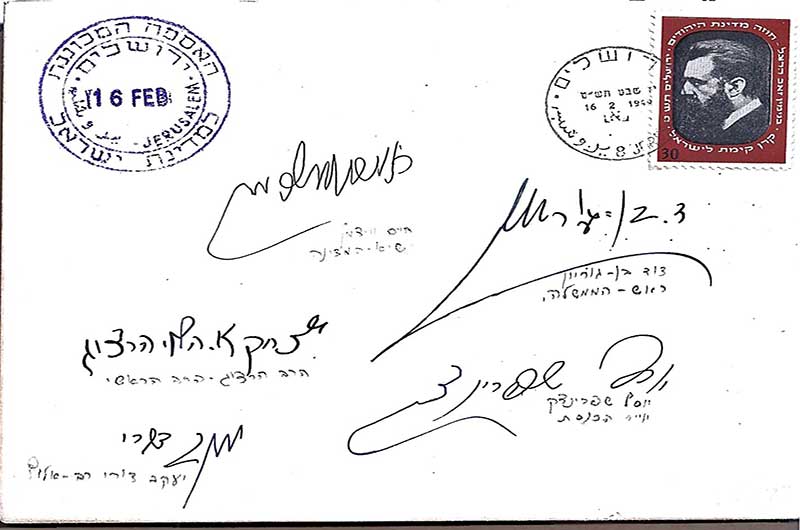
The 120 members elected to the Assembly and various invited guests entered the specially-prepared hall, and, when President Weizmann and members of the Cabinet arrived... they were saluted by an honor guard composed of units of the Israeli Army and police force and Hatikvah was played by a combined army-police band.
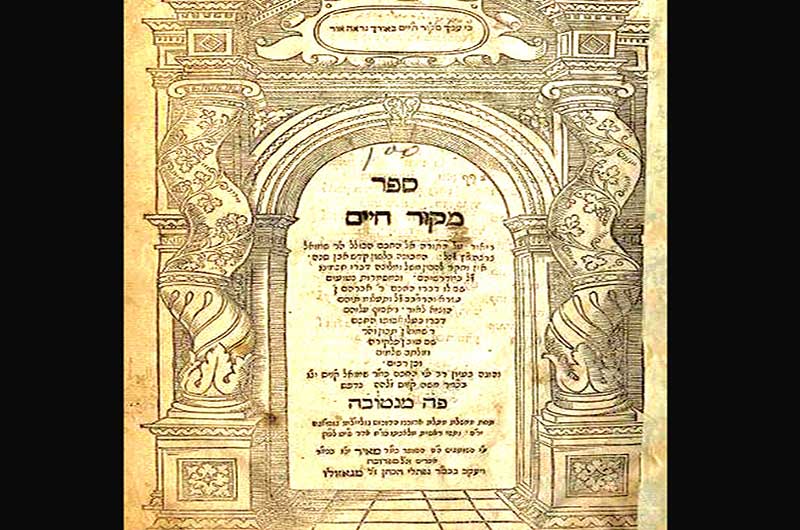
The title page itself announces the work’s ambitions: a composition… measured and delved to uncover allegory and parable in the words of Chazal, standing on the shoulders of giants like the Ibn Ezra and the Rambam.
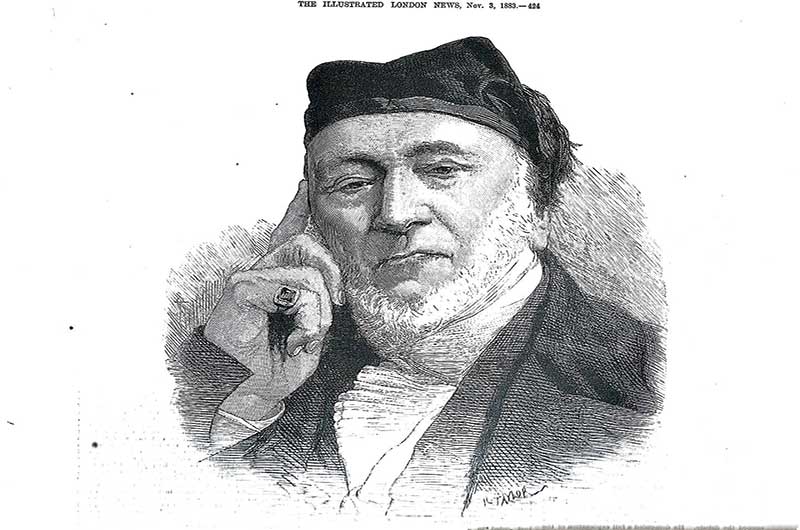
Five decades before Herzl’s Der Jundenstaat, Montefiore was arguably the first contemporary Zionist.

That this newly acquired manuscript – hidden away for centuries – should resurface now is a quiet miracle.
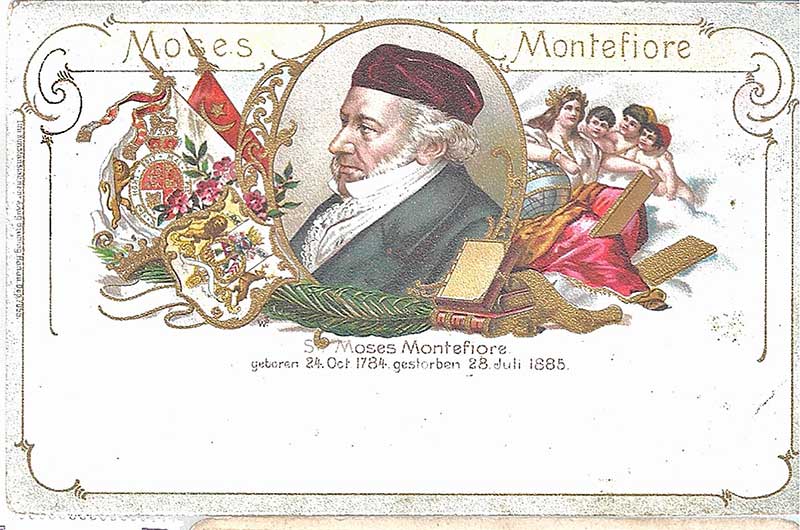
Upon his return to London, Sir Moses was given a hero’s welcome, including a big ceremony and special synagogue services, and, when he met with Queen Victoria to present her with the firman, she honored him by permitting him to add the Lion of Judah holding a banner bearing the word 'Jerusalem' to his coat of arms.

Coin-like pieces such as this are classified as tokens. A token is not an official government-issued coin but privately made, and is used as a substitute for money or for other purposes like advertising.

This 1620 edition is among the earliest printings of the complete Sifrei Levushim and was issued just a few years after the author's passing.
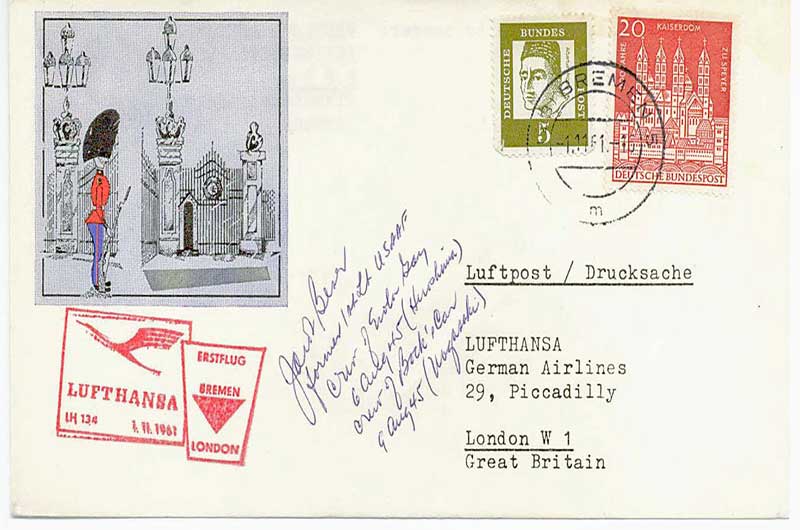
Recently, Secretary of Defense Pete Hegseth caused a stir when, pursuant to President Trump’s long overdue purge of content deemed to promote DEI, he absurdly flagged the name Enola Gay for removal, apparently because the name contained the word “gay” (sigh). In fact, the Enola Gay was named after Enola Gay Tibbets, the mother of its pilot, Colonel Paul W. Tibbets.
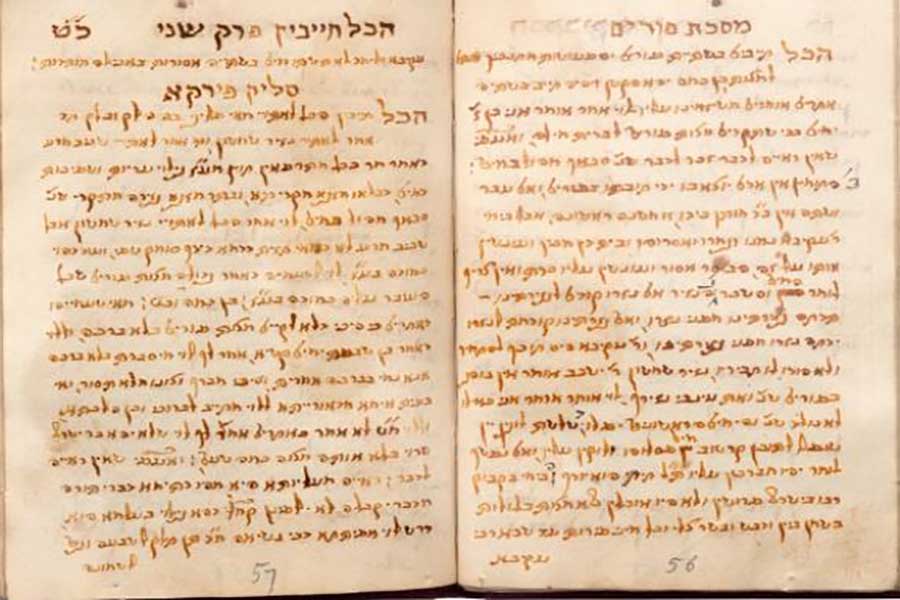
This past week, I had the pleasure of acquiring a truly exceptional piece from this rich literary tradition – an Italian manuscript from 1715 that brings together, between two modest covers, some of the most beloved early Purim Torah classics in a beautifully unified volume.
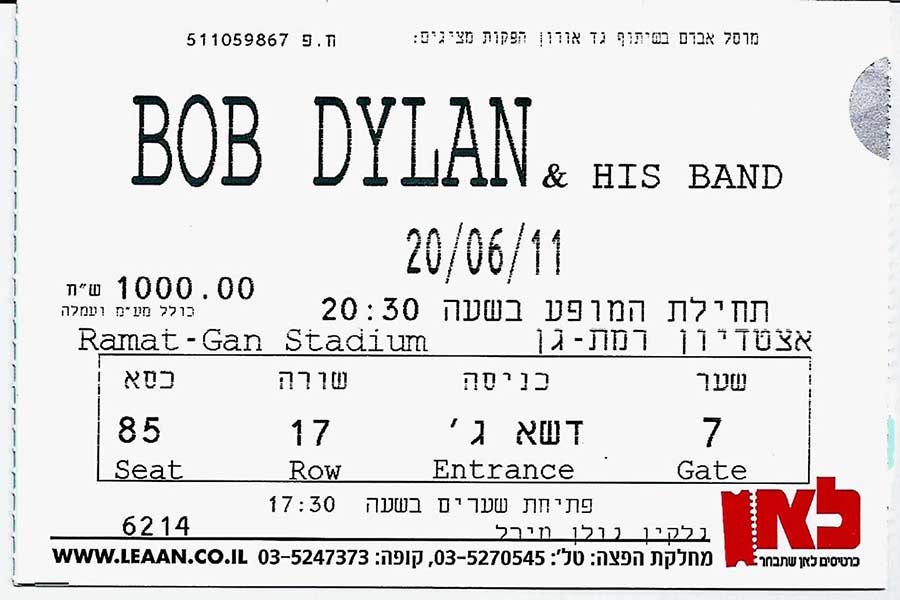
Many of Dylan’s songs are replete with biblical references hearkening back to his Jewish studies in childhood.

By Baruch Lytle
The Rebbe Rashab says the commandment of techeiles is a perpetual one, and whenever we are capable of fulfilling it, it is clear that we must do so.
 July 3, 2026